This was a month long trip done as an organised group tour with Gadventures to visit Java, Bali, and Lombok plus 3 days on our own at the end to visit Komodo.
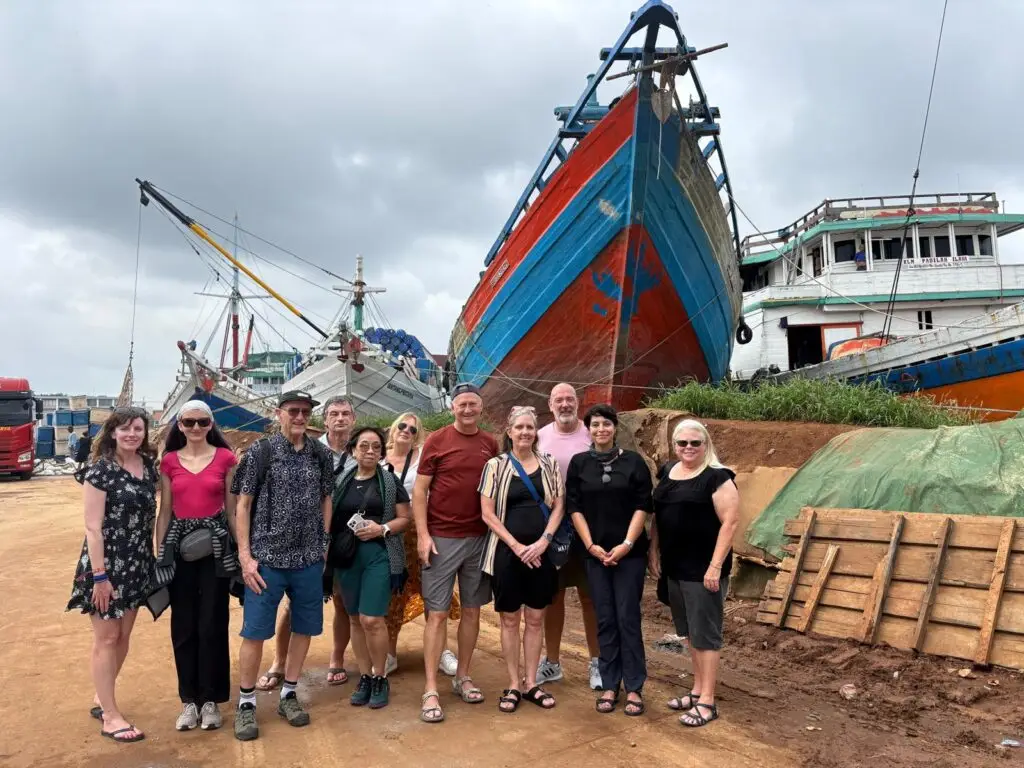
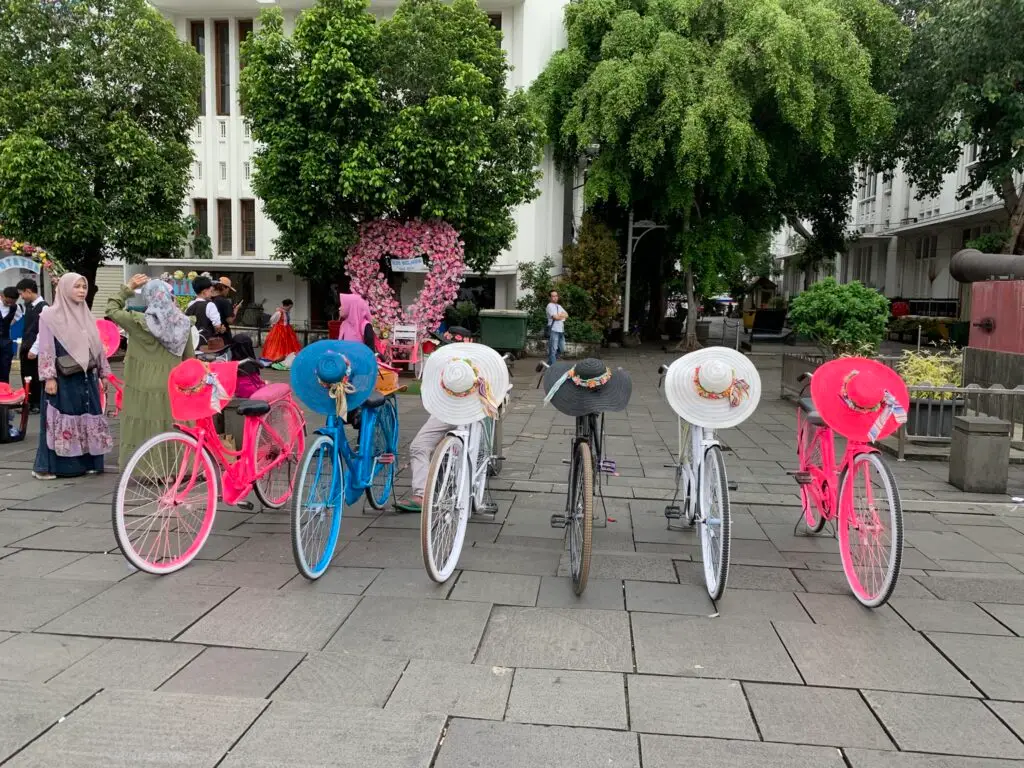
The picture above was taken in the former Batavia area of Jarkarta which is famous for its remnants of the Dutch colonial past.
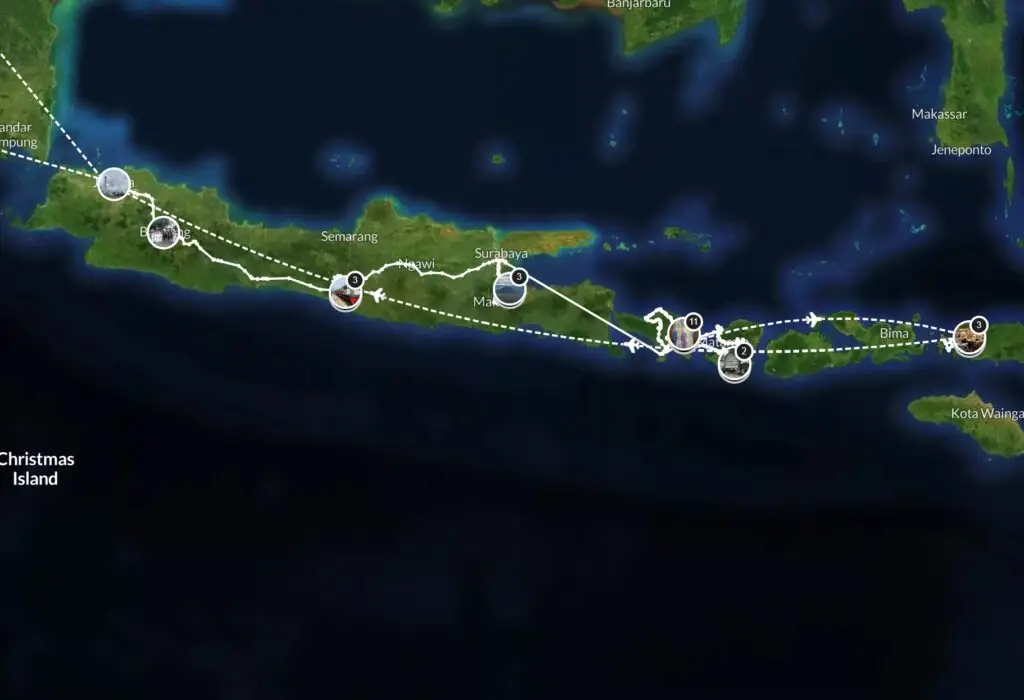
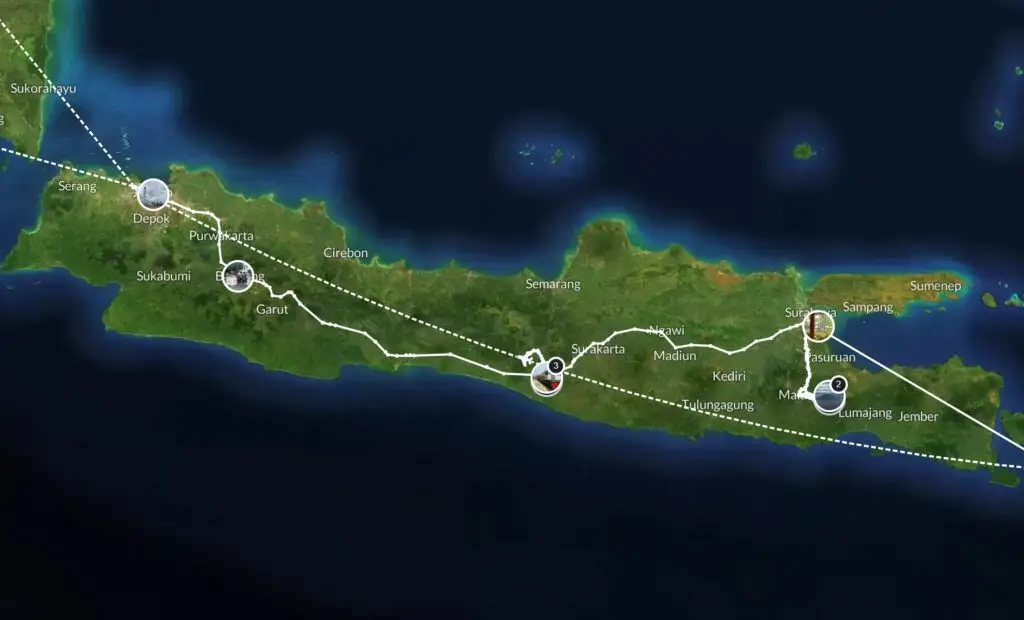
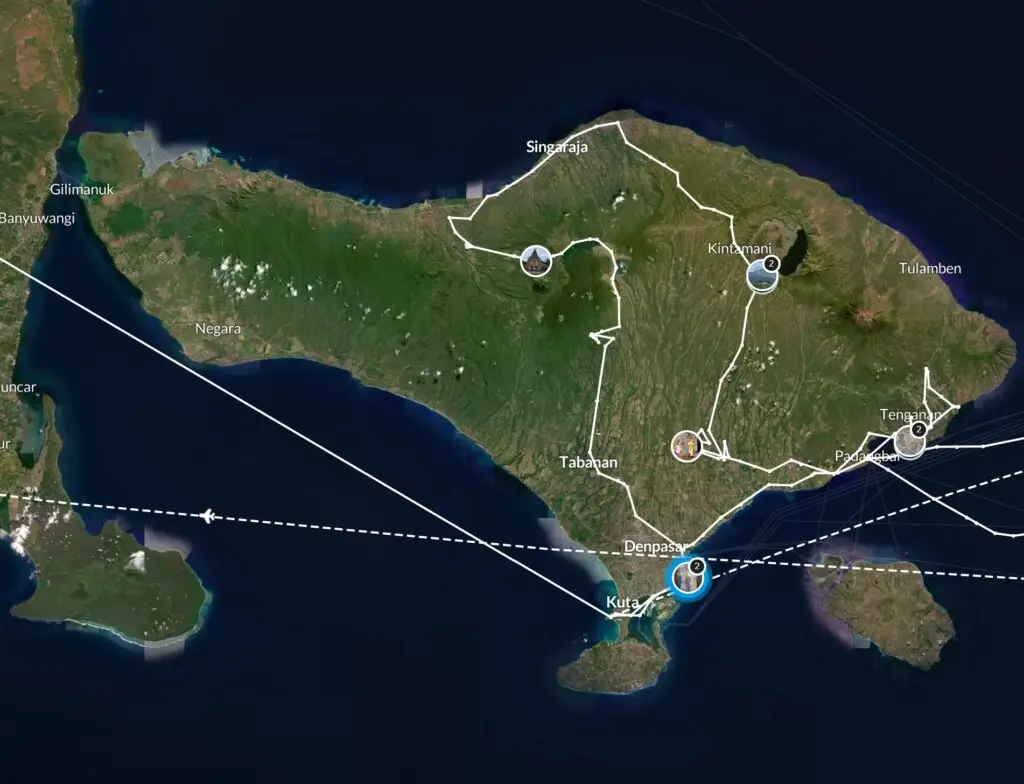
This is an overview of just the small part of Indonesia that we were able to visit during our trip.
Indonesia is the most populated country in SE Asia with a total land area greater than the United States and with a population of 281 million split over approximately 17,000 islands. The Dutch occupation lasted some 350 years until 1942 when the country was occupied instead by the Japanese for 3.5 years.
The Dutch exploited the local population for the purpose of coffee, tobacco, and spice crop cultivation. The local king could be executed if the natives were unwilling to submit to this exploitation, however the Indonesians will say that the 3.5 years of Japanese occupation that followed was worse than the 350 years of Dutch occupation.
Java
Java alone has a population of 153 million.
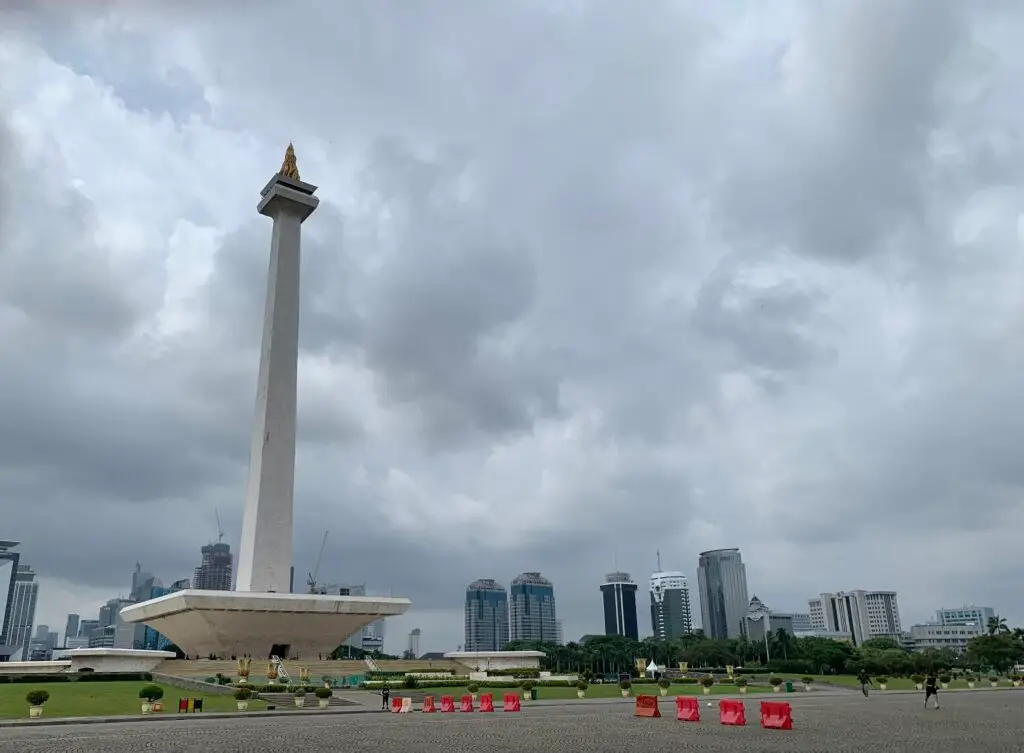
View of central Jakarta from the Monas tower
The capital city, Jakarta is now a megacity with a population of 12 million.
The whole of Jakarta is actually sinking into the sea at the rate of 2cm per year and, because of this, they are moving the capital to Borneo.
This has not stopped the continued construction of megaton buildings in the city centre as can be seen by the tower cranes in the previous picture. It has also not worried the Chinese who have constructed these luxury apartment blocks on reclaimed land at Sunda Kelapa harbour.
Tour group photo
This picture, taken at Sunda Kelapa harbour, shows how the level of the city center is below sea level and the dyke in front of the boat is actually keeping the sea out. Because it was the end of the wet season during our visit we had periods of torrential rain which flooded the central area to ankle deep until the water could be pumped out.
The Monas tower in Merdeka Square in central Jakarta is one of the most famous visited attractions. It is 132m tall and built as the official National Monument in 1962 under Indonesia’s first president Sukarno to commemorate the independence struggle of the Indonesian people.
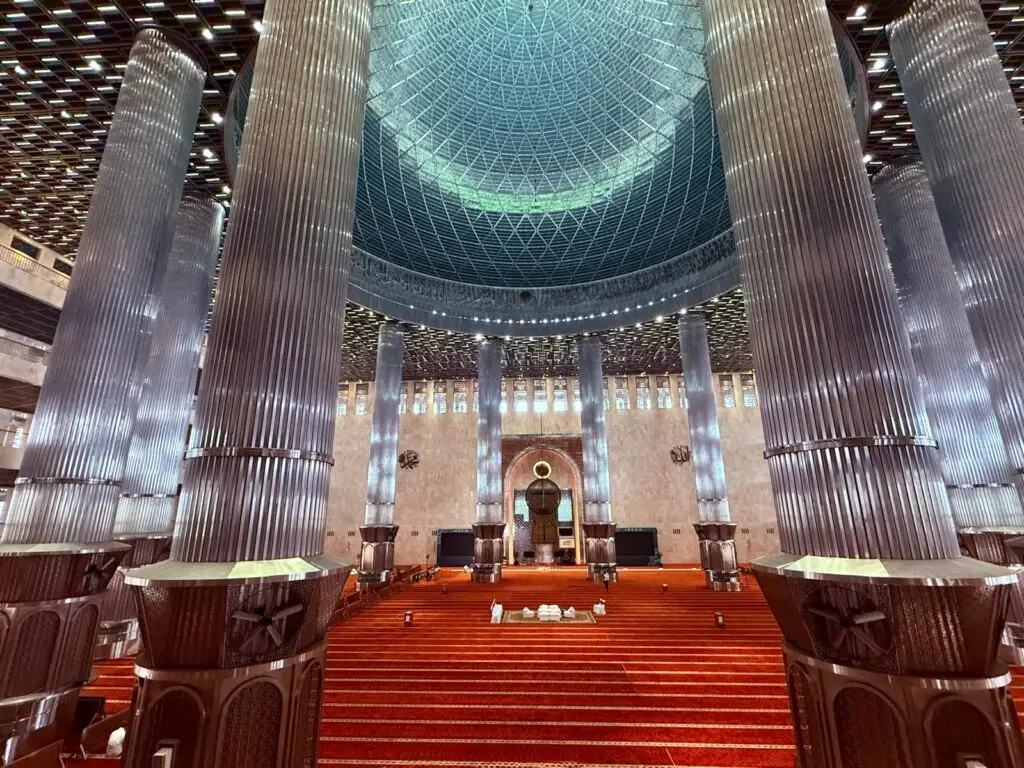
From the viewing platform at the top of the Monas tower can be seen the Masjid Istiqlal mosque which is the largest mosque in SE Asia and can accommodate 120,000 worshippers. It was built to commemorate Indonesian independence.
Directly opposite the mosque entrance can be seen the Jakarta Cathedral which , although sizable in itself, appears small only because of the immense size of the mosque.
The location of the mosque directly opposite the Cathedral was chosen by president Sukarno as a symbol of the nation’s philosophy of unity in diversity where all religions can coexist in harmony.
The inside of the mosque holds visitors enthralled. Notice how tiny the worshippers on the carpet seem in this vast space.
The Cathedral has a neo-Gothic design with three wrought-iron spires
From Jakarta we travelled by bus to Bandung – famous for its hosting of the 1955 Asian-African conference. This conference was the first of its kind in history bringing together black and white representatives who would sit together as equals. The gathering was a symbol against racism and the old colonial order. Only about half of the countries that participated were actually independent and the summit would be a catalyst for those nations to gain their sovereignty such as Malaysia which gained independence two years later in 1957.
While in Bandung we visited the Anklung orchestra. The Angklung is a bamboo musical instrument made to an individual pitch. By distributing instruments of different pitches around the audience and carefully watching the conductor’s gestures (a different hand signal for each pitch) we were able to play some tunes.
Anklung Orchestra
This is what one instrument sounds like on its own. Different notes are made by bigger or smaller instruments and each player in the orchestra must have their timing precisely right.
Anklung Orchestra
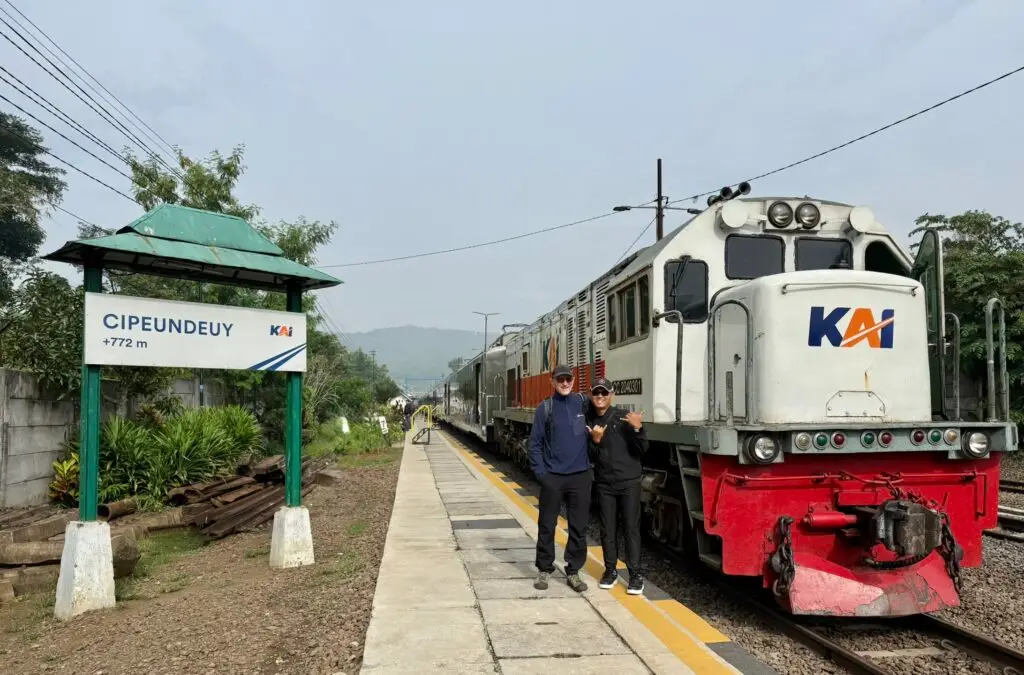
From Bandung we took this train to Yogyakarta – it is one of the great train journeys of SE Asia. The journey was 7 hours and 402km so an average speed of 35mph.
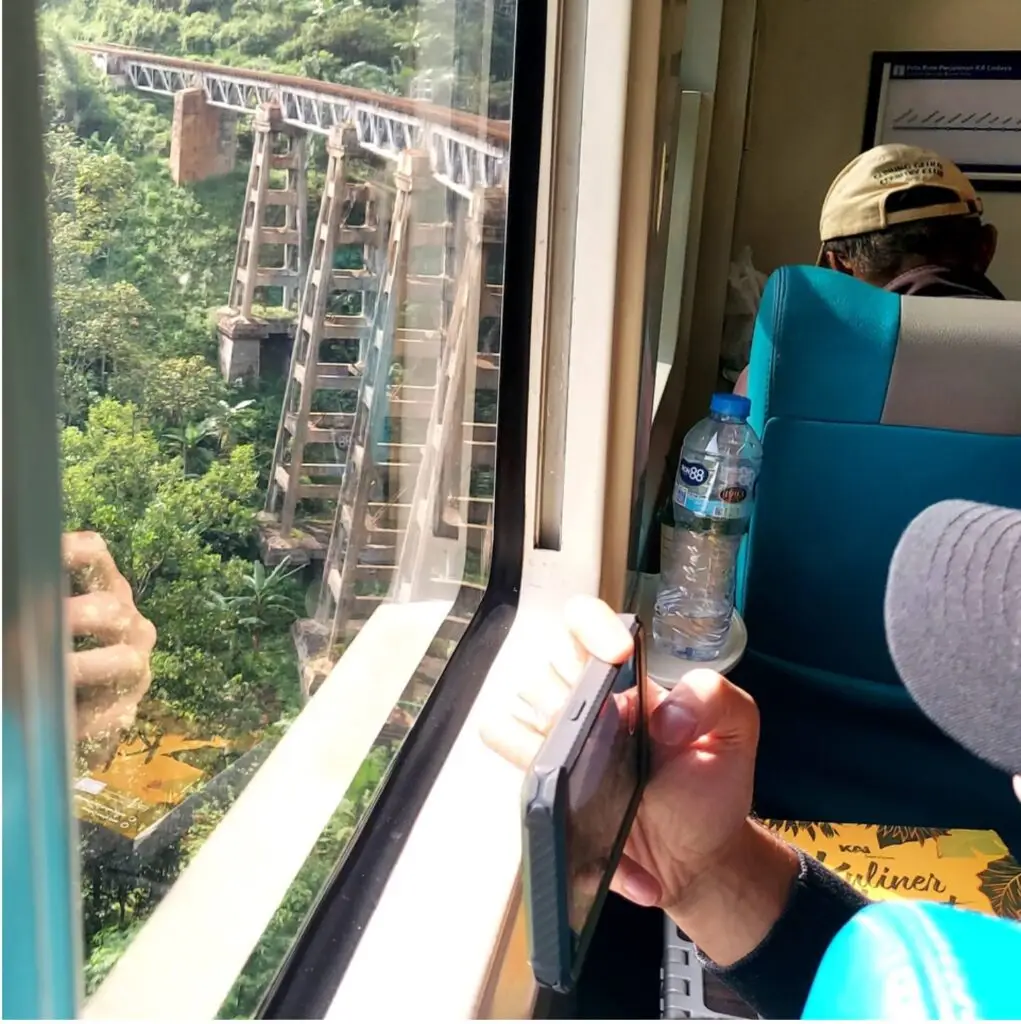
The first half of the journey was a climb up through the mountains and lush rice terraces to the highest point of 772m where there was a stop to check the brakes before the descent all the way down again to Yogyakarta. The line is all single track and is a legacy from Dutch colonial times and there have been incidents of runaway in the past when the brakes failed! This picture is Richard with Fidel – our tour guide.
Scenery on the train journey
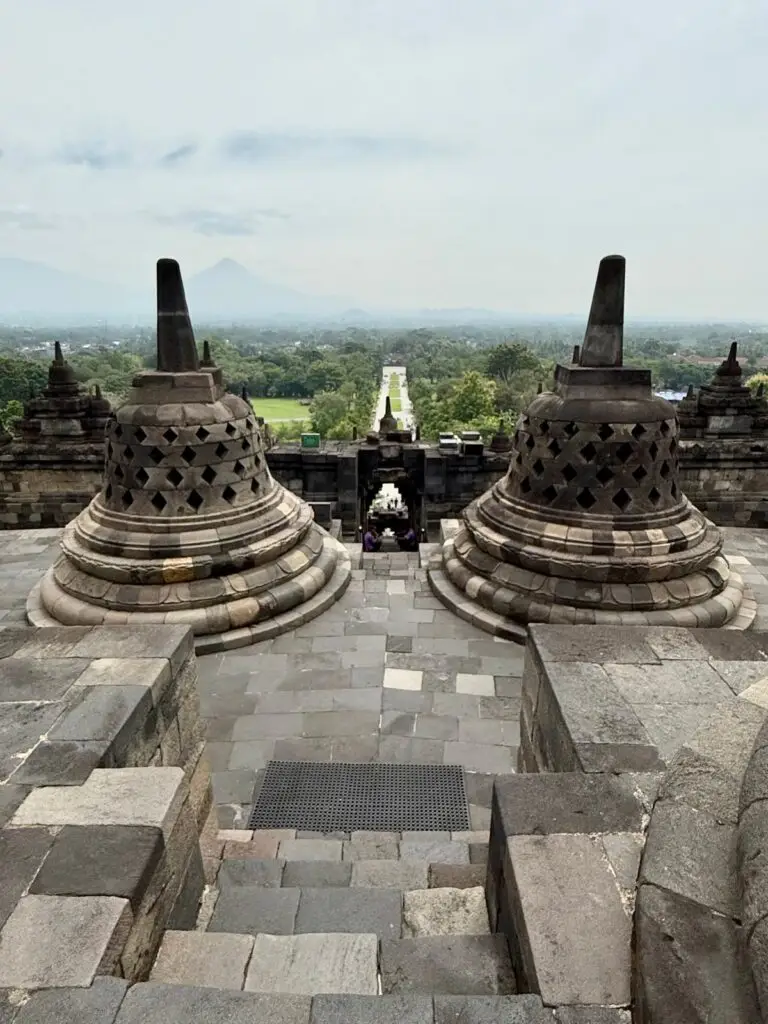
Borobudur Temple
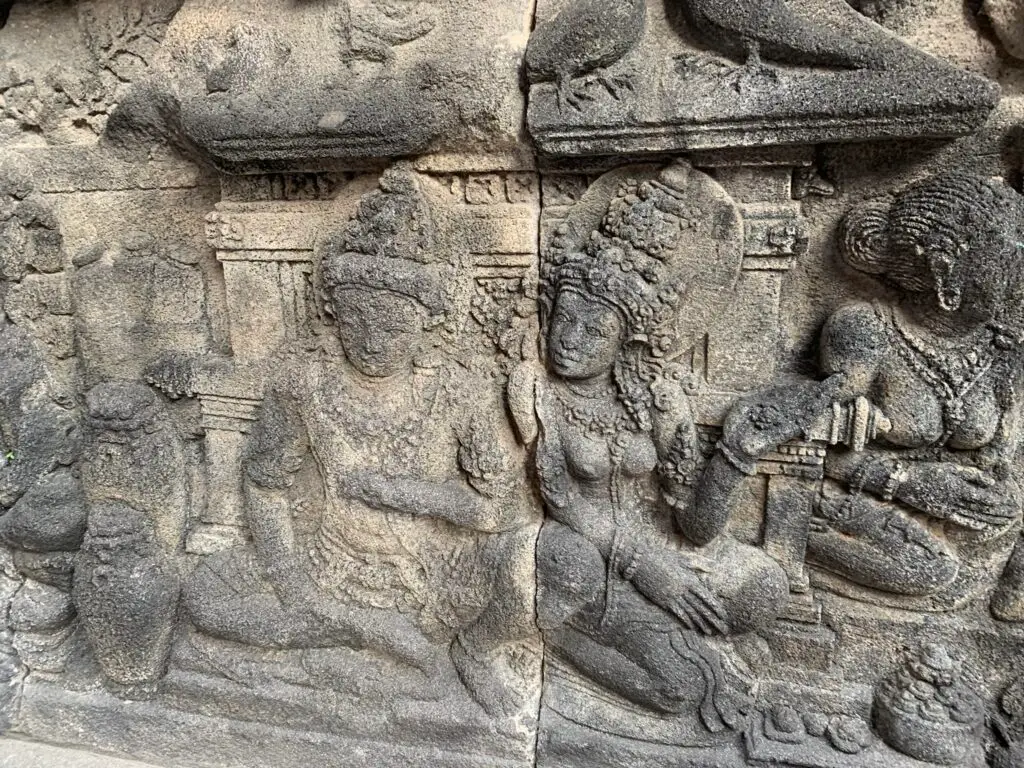
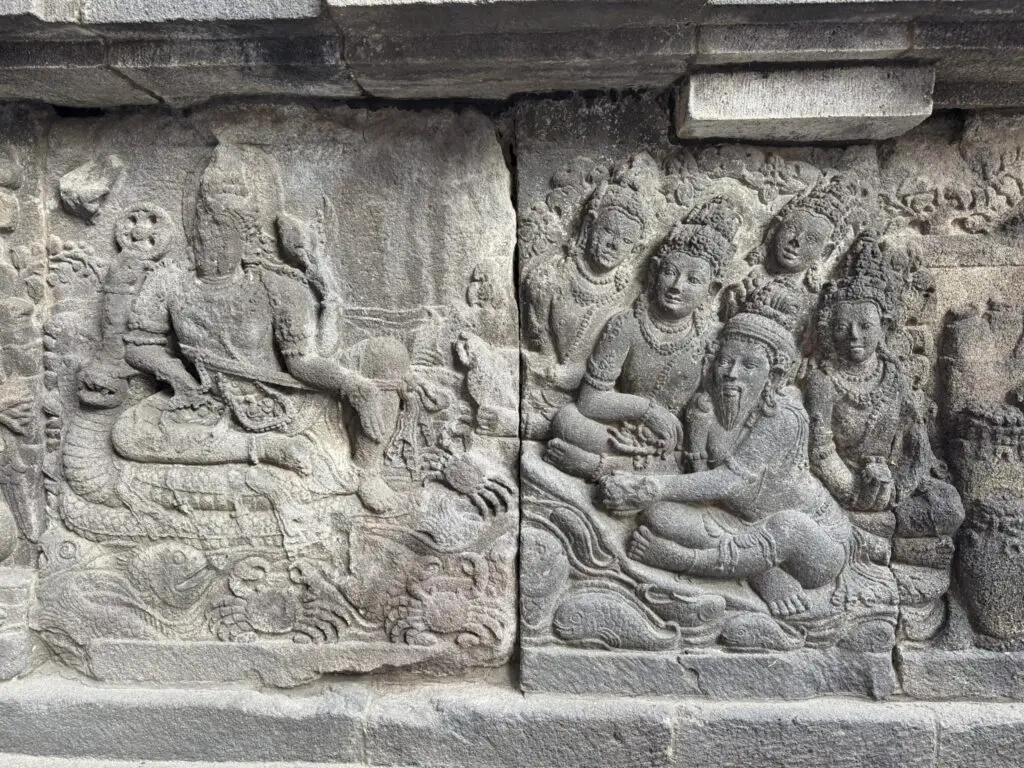
The main reason for most people to visit Yogyakarta is the two UNESCO world heritage site temples of Borobudur (Buddhist) and Prambanan (Hindu), and during our stay we visited both of these sites.
Dominating Yogyakarta is Gunung Merapi, one of the most active volcanoes in the world. The most recent eruption was in 2010 which caused hundreds of deaths.
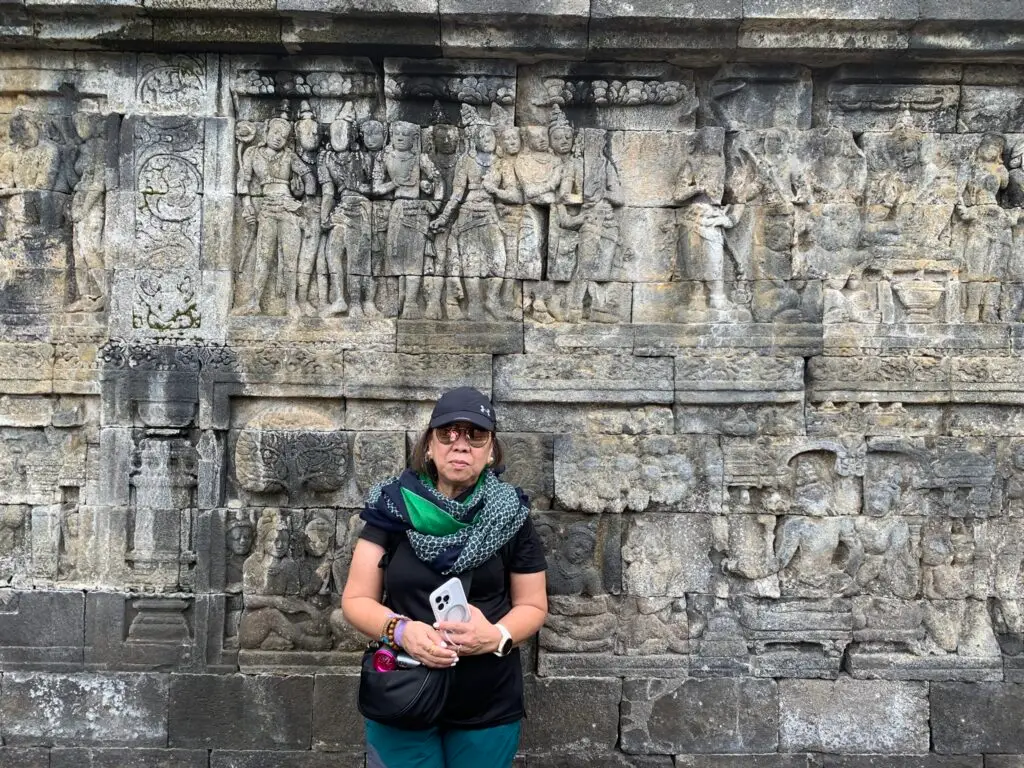
The Borobudur temple lay undiscovered under layers of volcanic ash until 1825 when Sir Stamford Raffles (then Governor of Java) ordered the area to be cleared, and is the largest Buddhist sanctuary in the world. The temple was constructed in the 8th century, has nine levels, tops out at 35m, has 2672 reliefs and 504 Buddha statues.
Borobudur Temple
Borobudur Temple
Borobudur Temple
Borobudur Temple
Prambanan Temple
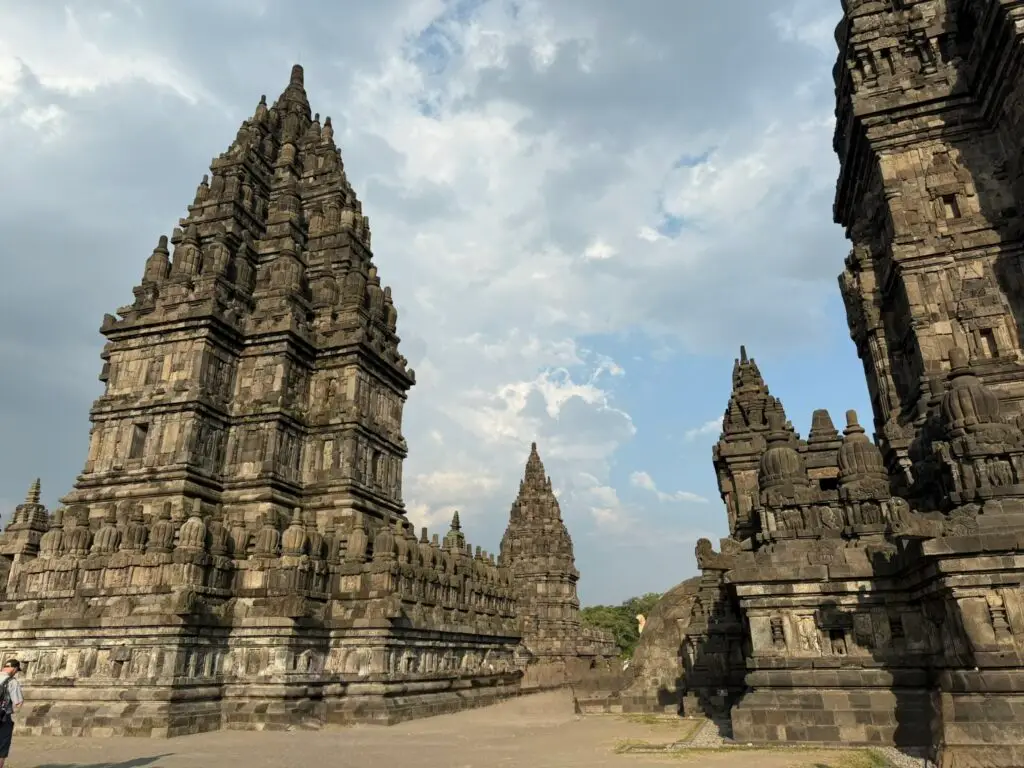
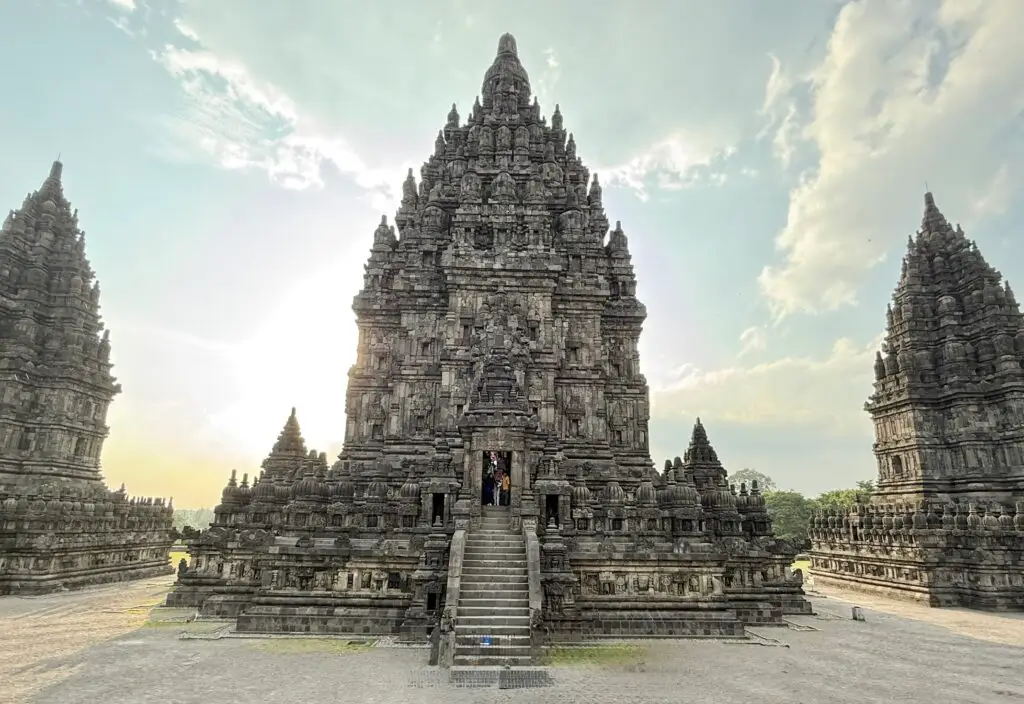
Prambanan temple is on the other side of Yogyakarta and was also constructed in the 8th century. It is a complex consisting of 240 temples in total, and the second largest Hindu temple complex in SE Asia behind only Angkor Wat.
Much of the complex still lies in ruins, the result of several large earthquakes over the past few hundred years. The main temples have been rebuilt, but it is estimated that the entire complex will take over 200 years to complete.
In the original construction, every piece was carved to fit into its spot perfectly with no mortar.
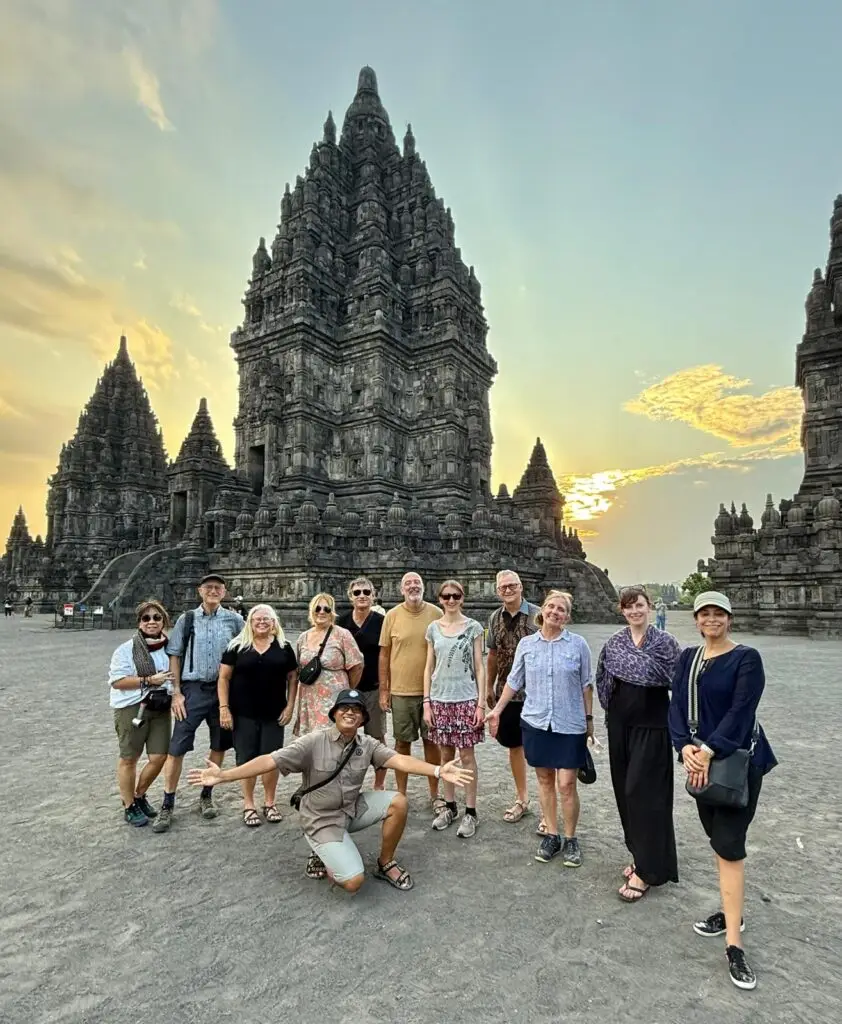
Tour group photo, Prambanan
Prambanan
Prambanan
Prambanan
Prambanan
Prambanan
Prambanan
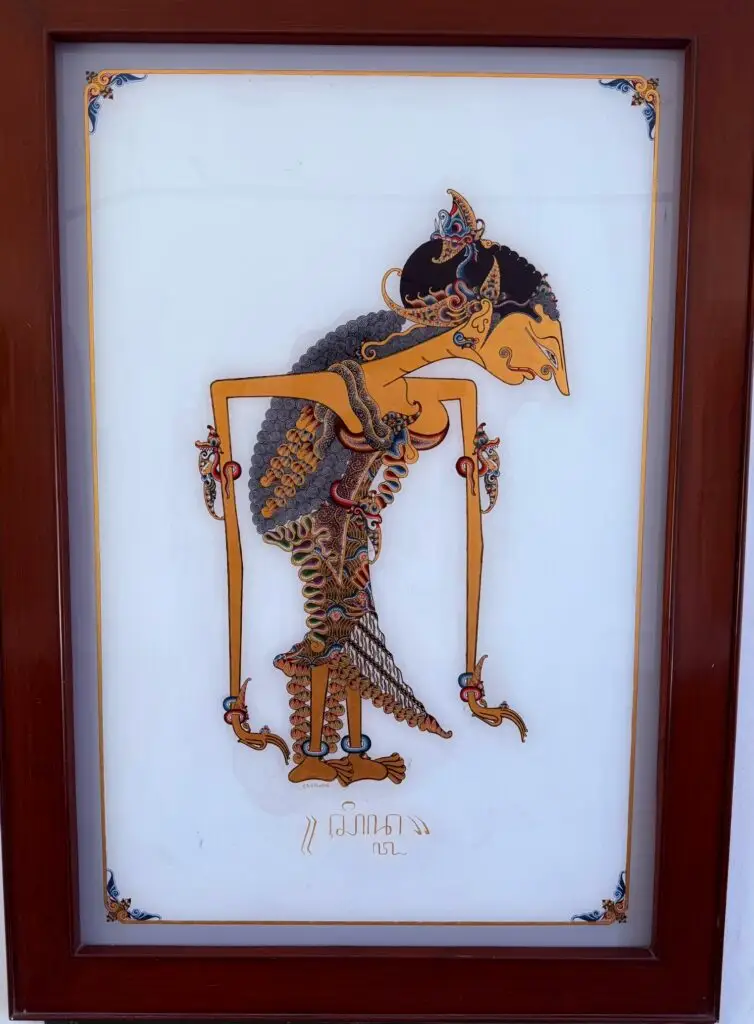
We visited the Kraton – or the royal palace of the Sultan of Yogyakarta – located in the center of the city. While we were there, a ‘Wayang’, or traditional form of puppet theatre was being performed. These are very elaborate affairs and depict mythologies from the Hindu epics like the Ramayana which narrate the life of Rama, the seventh avatar of the Hindi deity Vishnu.
Theses puppet theatres can go on for 7 hours, and the one in progress during our visit looked like it was just getting started.
The palace is still lived in by the present Sultan so it can be only partly visited. The Sultan today is more symbolic and does not hold political power.
The puppet theatre is accompanied by a large ensemble of musical instruments with strings, gongs, bamboo percussion, and bells. The sound tends to get hypnotic after a while.
UNESCO designated the three different forms of ‘wayang’ (shadow puppet, flat wooden puppet, and 3d wooden puppet) theatre as a masterpiece of the Oral and Intangible Heritage of Humanity in 2003.
a 'Wayang' puppet
We also visited the Taman Sari, about a half hours walk away (we went by tricycle), but in former times connected by a water channel.
The Taman Sari was where the Sultan went to relax with his concubines. There were three pools like the one in this picture: one for the children, one for the concubines, and one for the wife.
The area around the Taman Sari is called Kampoeng and is a maze of little walkways and stores now inhabited by descendants of the servants of former Sultans. This map of the area shows that Mark Zuckerberg visited in 2014.
We went up into the mountains to stay as homestay guests with the local people in the mountain town of Ngadas. While we were there some local children put on a traditional dance performance for us in the town hall after we had finished a buffet dinner.
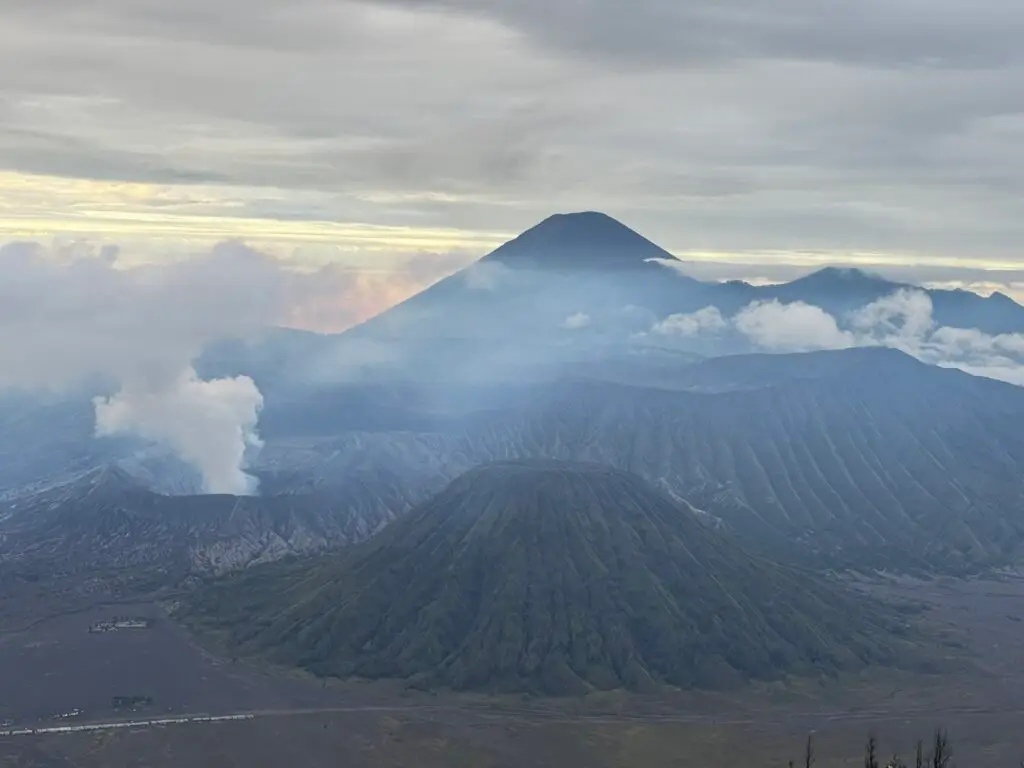
From Ngadas, (seen on the map) we were up very early the next morning to take a 4wd up the mountain track to a sunrise viewpoint of the Mt Bromo. Mt Bromo is actually the low flat volcano of the trio inside this ancient caldera (the Tengger caldera). Inside the caldera is called the ‘sea of sand’ which has been protected since 1919 and was declared a national park in 1982.
The volcanic complex of Tengger forms a condition where a new caldera of volcano forms inside a larger and more ancient caldera. Mt Bromo at 2329m is the most active of the complex at present times, and violently erupted ash to a height of 700m into the sky in November 2010 which caused the closure of the nearby domestic airport at Malang for two weeks.
The big volcano at the back is Gunung Semeru: with a height of 3676m it is the tallest in Java.
This was the view that we had from the sunrise point. Mt Bromo can can seen erupting and Mt Semeru (which was also seen to ‘smoke’ occasionally while we were there) can be seen dominating behind.
We then went down into the caldera where, after parking, we walked some way across the sand before ascending these steps to get to the actual rim of Bromo volcano. The 4wd vehicles can be seen parked in the background of the picture.
The barrier at the rim was virtually non-existent and one slip could have sent you down into the volcano!
Bali
We flew to Bali Denpasar from Surabaya in Java. Although just a short hop away to the next island, Bali is a complete contrast to Java.
As a Muslim island, in Java you get used to hearing the calls to prayer from the minarets. The women all wear head covering, there are few western tourists, and beer is not widely available (Muslims are forbidden alcohol).
Bali, however, is Hindu – although a different version of Hindu from India. Every house has its temple where the daily ‘Canang Sari’ offering is made to the Gods, there are no mosques anymore, there are western tourists everywhere, and alcohol is freely available in bars and restaurants. Suddenly it is like you are in party town.
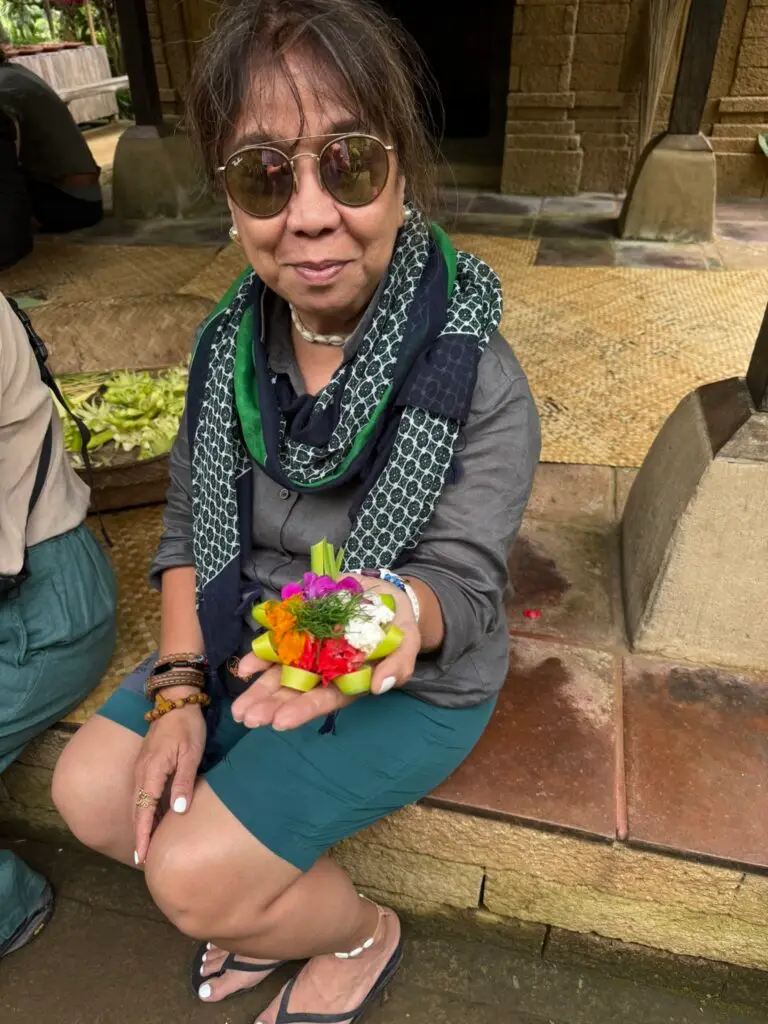
Canang Sari
This is the Canang Sari, found on every street corner, home, temple and business and it is Bali’s daily offering. It is made of flowers, leaves, and fruits or snacks. When the offering is made a joss stick is attached to it so that the smoke then transports the spirit of the offering to the Gods. Because several are used every day by every Bali person, there is a whole industry in making these and in the markets you can see them being sold in big bundles.
This one I made as part of a cookery class at Ubud.
Our first stop in Bali was the beach town of Sanur, where there are shops, Malls, restaurants, bars, and beach of course.
We hired some bikes to cycle up the beach promenade. As it was the end of the wet season you must take your chance with the rain!
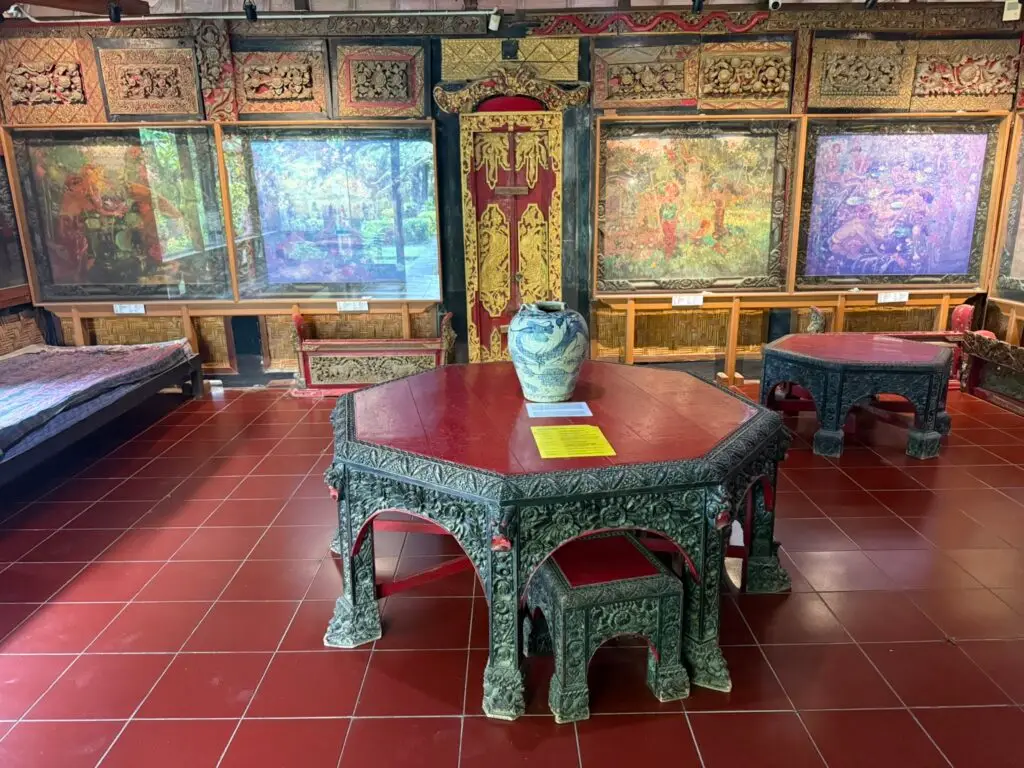
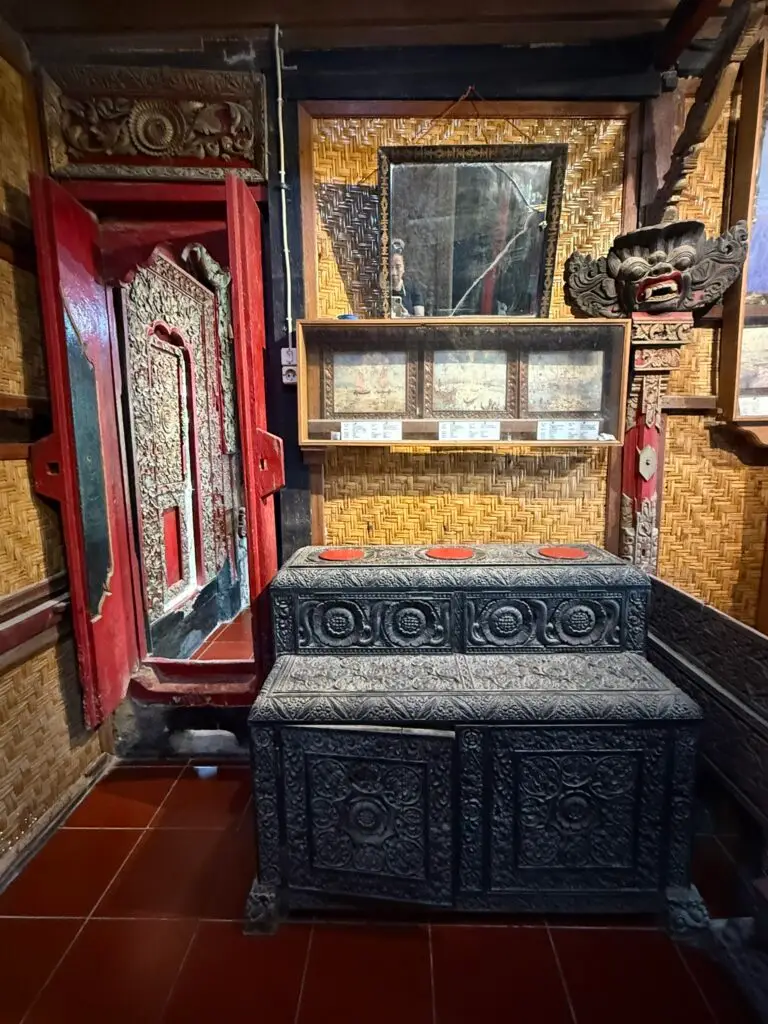
Museum Le Mayeur
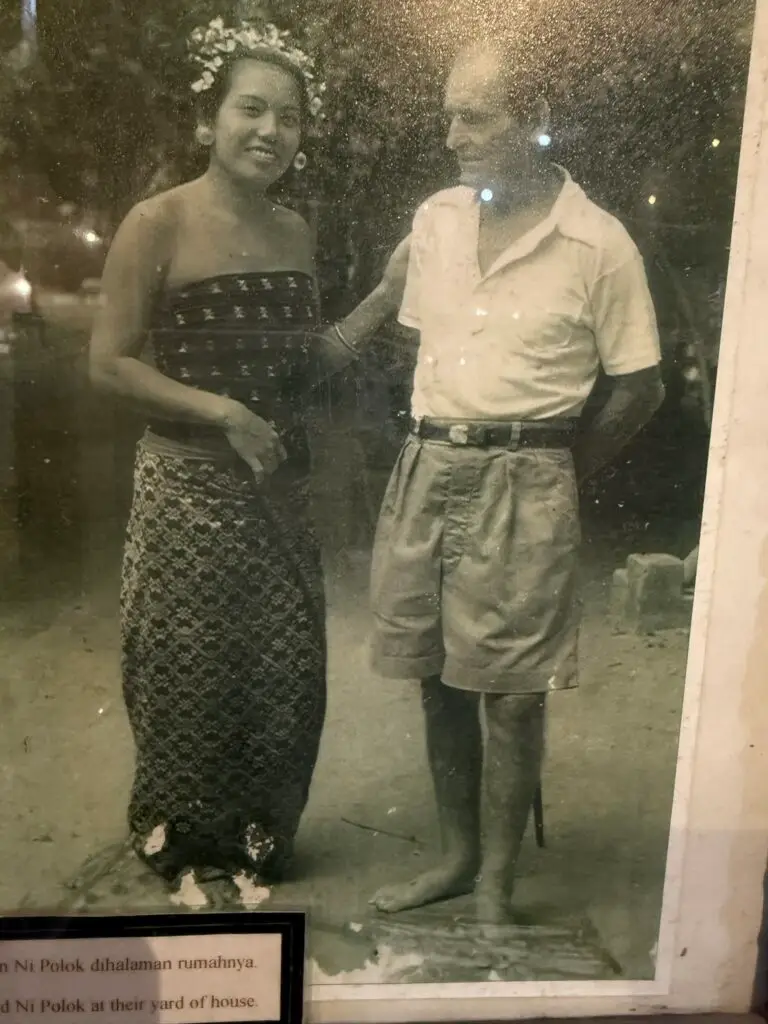
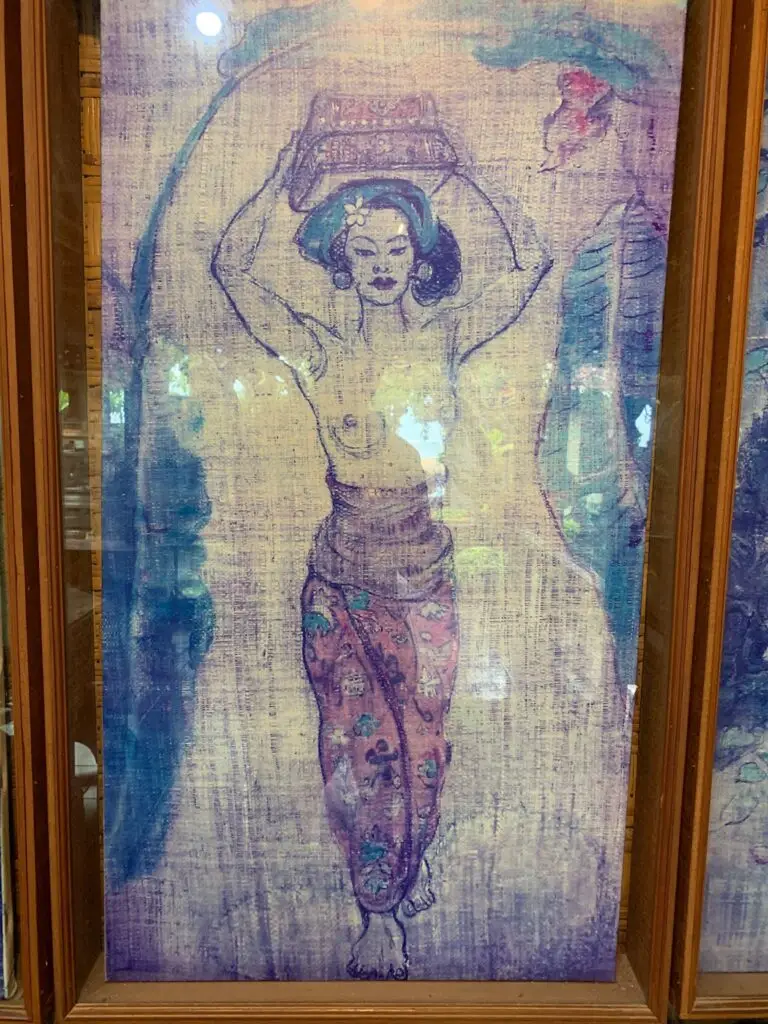
A short cycle ride up the beach there is also the museum Le Mayeur. This museum is dedicated to the artist Adrien-Jean Le Mayeur de Merpres (1880-1958) who arrived in Bali in 1932 and married the beautiful Legong dancer Ni Polok three years later when she was just 15.
They lived in the compound that now houses the museum back when Sanur was still a quiet fishing village, After the artists death, Ni Polok lived in the house until she died in 1985.
Museum Le Mayeur
Museum Le Mayeur
Museum Le Mayeur
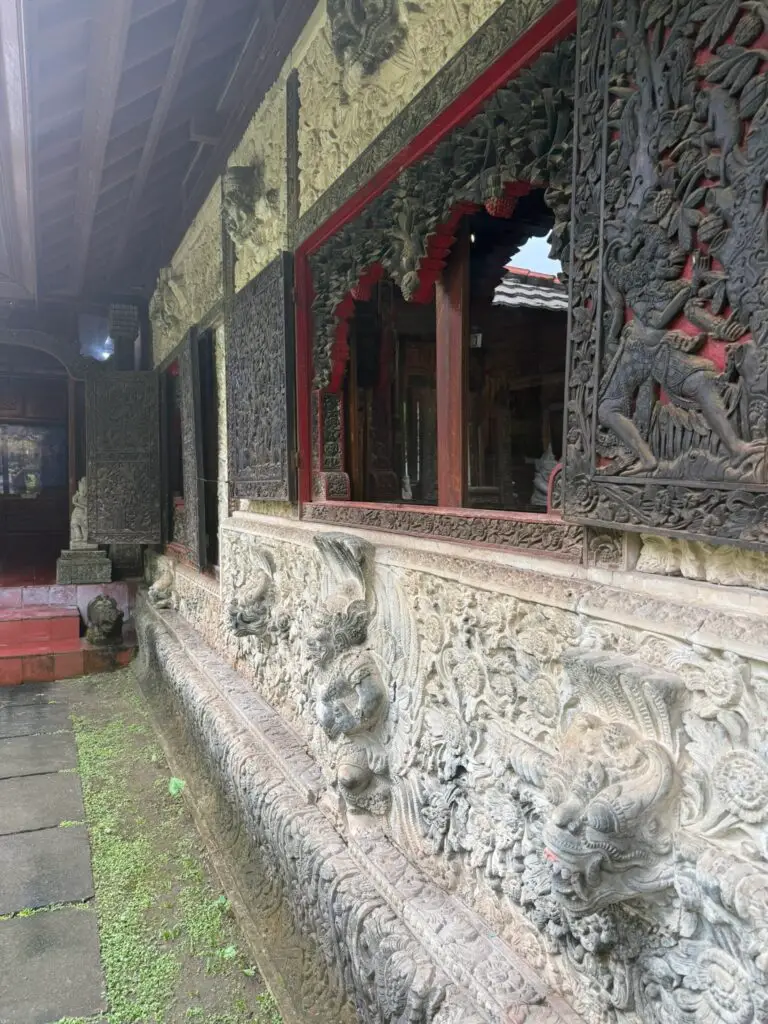
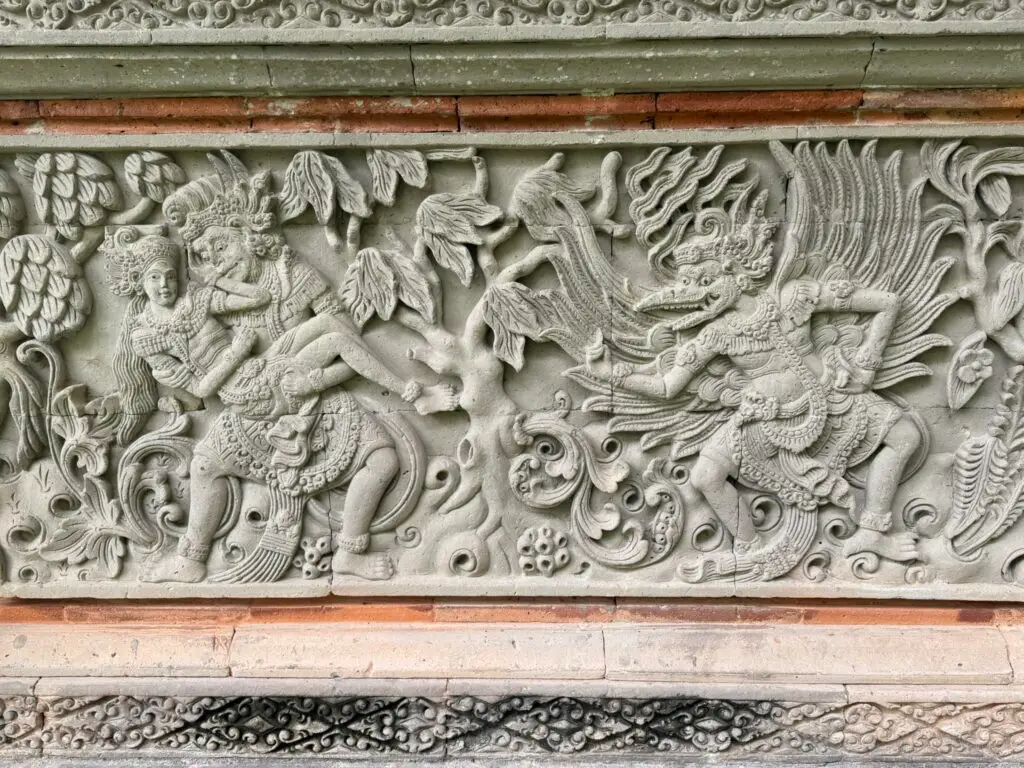
The house is an interesting example of Balinese style architecture with beautifully carved window shutters that recount the story of Rama and Sita from the Ramayana.
Museum Le Mayeur
Museum Le Mayeur
Museum Le Mayeur
Museum Le Mayeur
Museum Le Mayeur
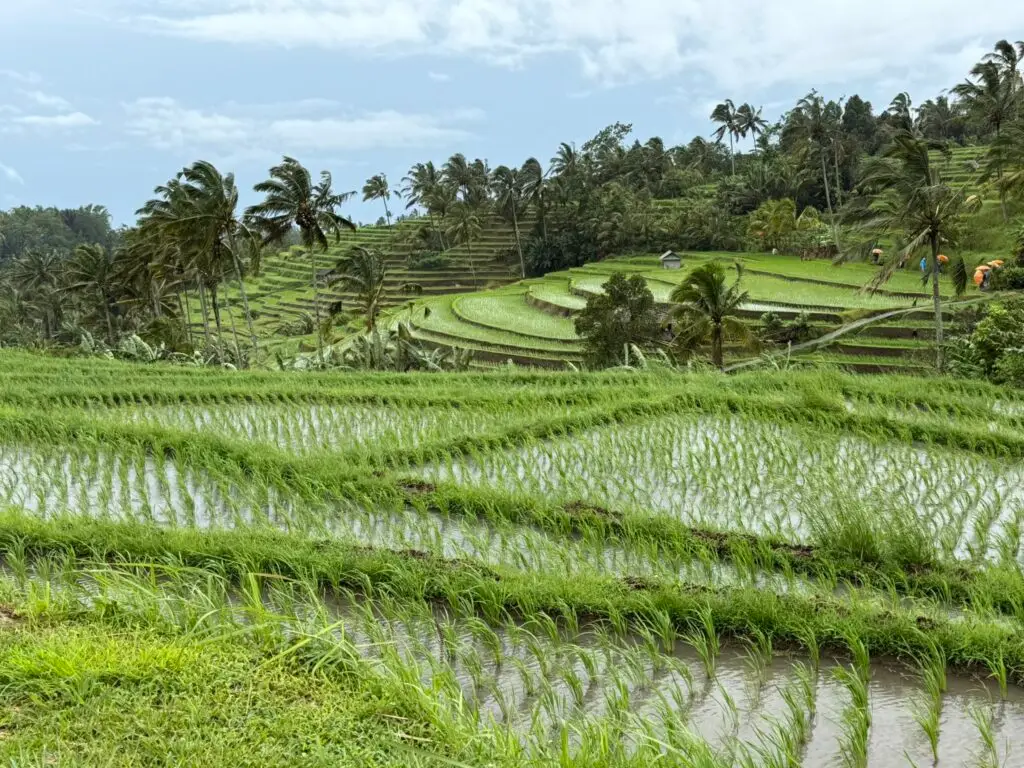
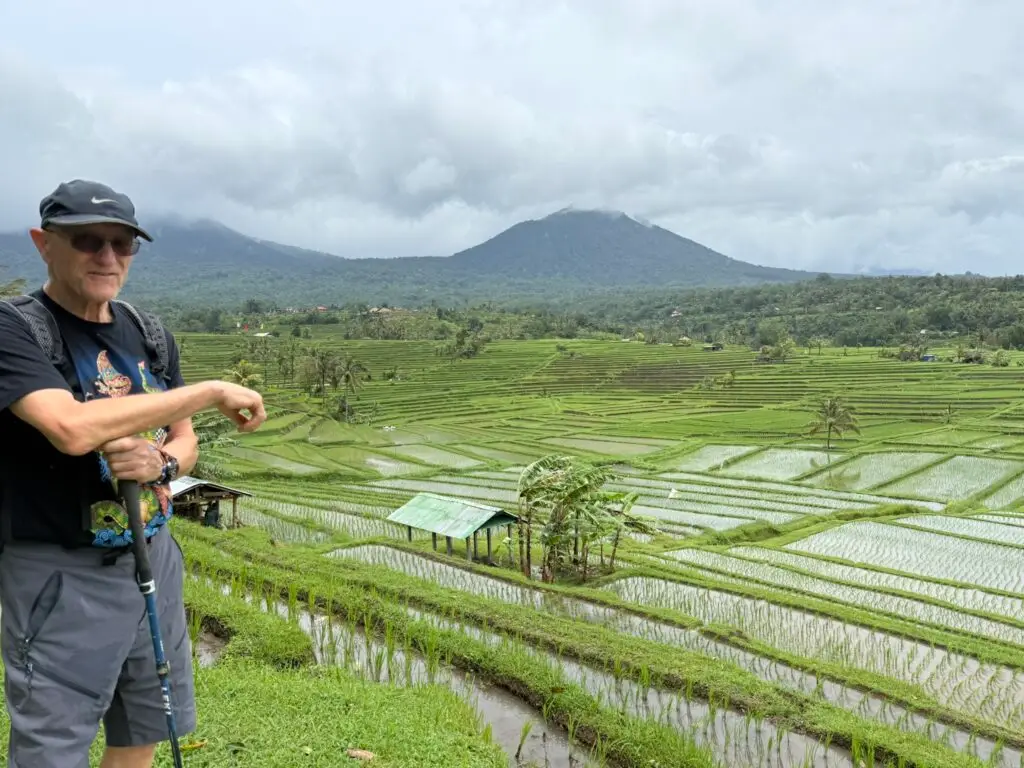
After Sanur, we went to Munduk in the center of Bali where we stayed in another homestay and also visited the UNESCO protected Jatiluwih rice terraces
Jatiluwih Rice terraces
Jatiluwih rice terraces
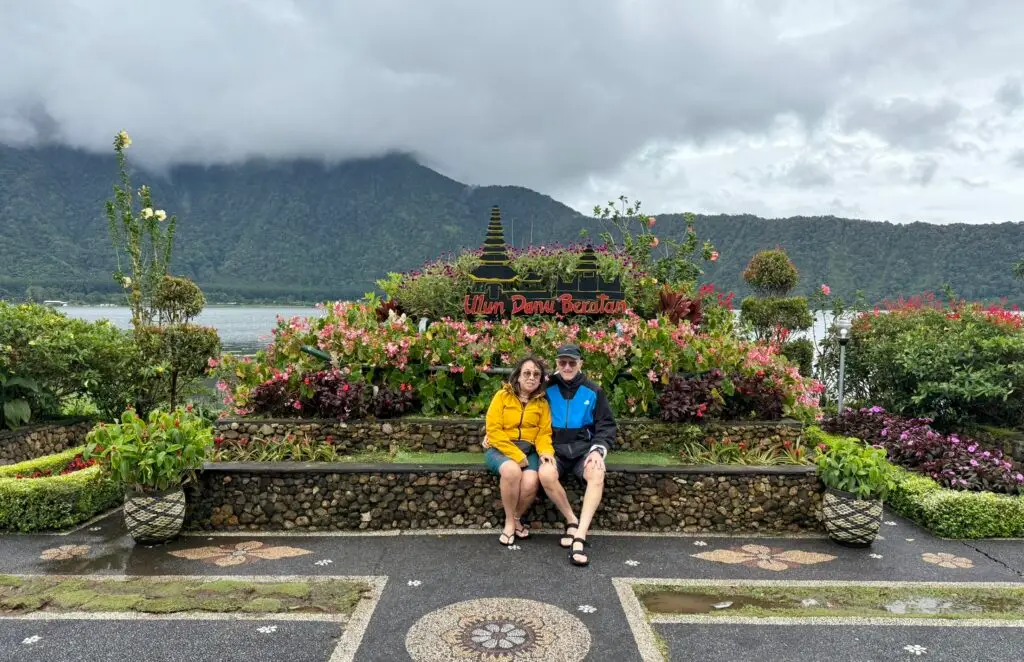
We also visited the floating temple complex of Ulun Danu. Founded by the King of Mengwi in the 17th century, this temple is built on a lake formed in an ancient volcano caldera.
Ulun Danu Temple Complex
Ulun Danu Temple Complex
Ulun Danu Temple Complex
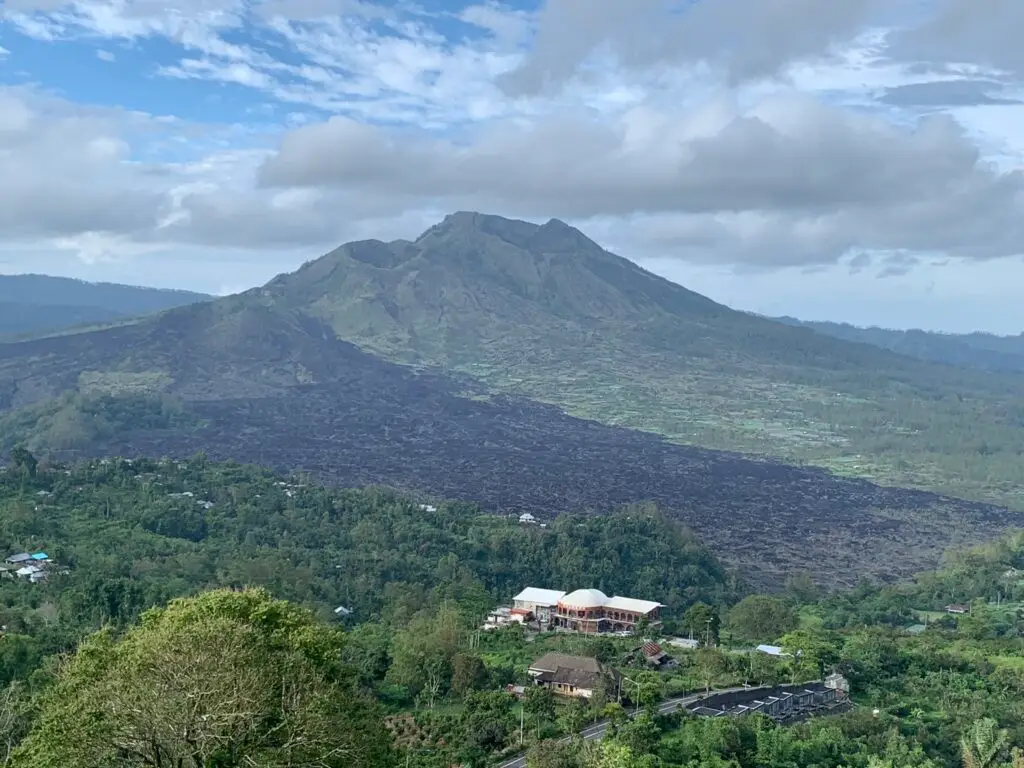
We stopped for the night at Kintamani. Kintamani is on the southern rim of a vast caldera which is the remains of a 3000m high volcano formed from an eruption 30,000 years ago. This picture was the view from our hotel and overlooks the caldera to Gunung Batur (Mt. Batur 1700m) which is now the centrepiece of the Batur Unesco Global Geopark – a 370 sq km area renowned for its geological and cultural significance.
The outer caldera rim forms an elliptical shape with dimensions 14 x 10 km. Batur rises from within this caldera and is still active today.
Gadventures puts a great effort into community support projects with micro loans to protect local business from the loan sharks and also supporting their businesses on the tours (for instance the homestays and visiting small scale coffee cultivation enterprises).
This was one project which we visited on the way to Ubud that was set up and funded by Gadventures . This particular project was to support disabled people from the local community and train them in skills such as IT and handicraft and give them some kind of a life by taking them on outings and giving them a space where they can be together and also meet other people.
Unfortunately the Hindu mentality dictates that if a person is born disabled it is their karma which they deserve because they have done something terrible in the previous life. The family will often shut them up in one room of a house where they exist in solitude hidden away from the outside world.
We had lunch here and the girl in the wheelchair second from left entertained us with a song “mother how are you today”.
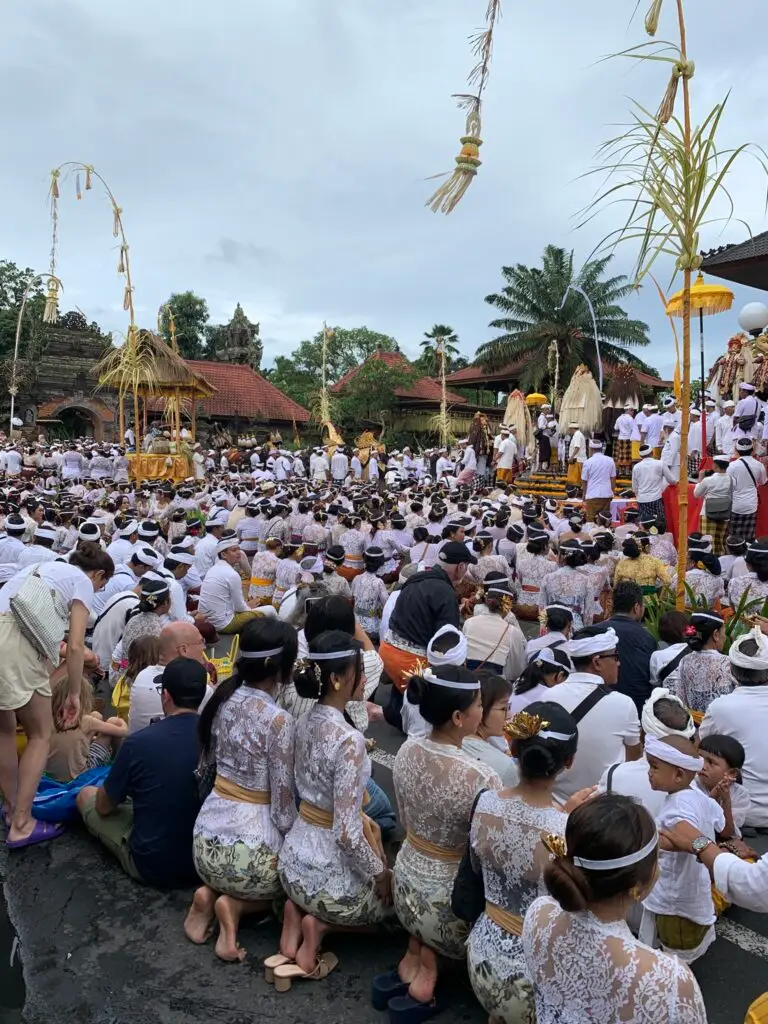
The next stop was Ubud, where there happened to be a huge gathering of people completely jamming up the area around the royal palace.
It turned out to be a ceremony held about every 50 years called Karya Agung Pun Jagat. It is often associated with the Ubud royal family and is considered as a major cleansing ceremony offering prayers to the gods and seeking harmony with nature.
A Balinese temple
This was a ‘Kecak’ dance performance we attended – again re-enacting from the Ramayana. The chant is supposed to imitate a troupe of monkeys . This performance was a variation called the ‘fire dance’ developed to drive out evil spirits from a village.
Kecak dance performance
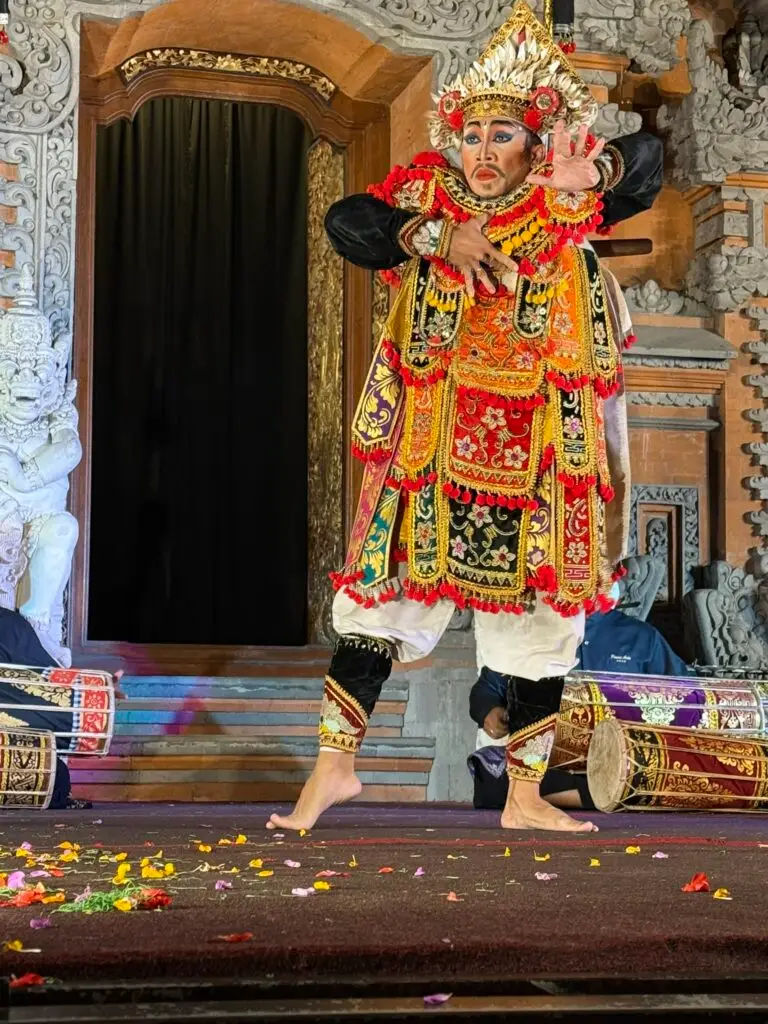
This was another dance performance called the Legong – relating a story about a king who takes a maiden captive and consequently starts a war in which he dies – again from the Ramayana.
Legong dance performance
Legong Dance performance
Legong Dance performance
Legong Dance performance
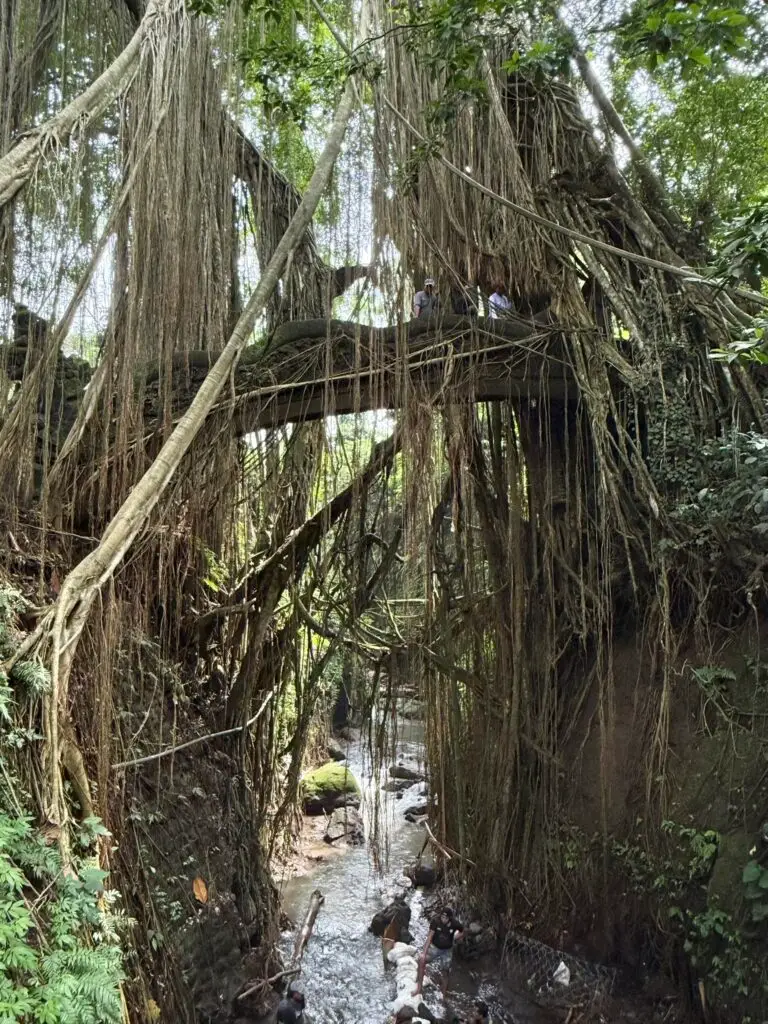
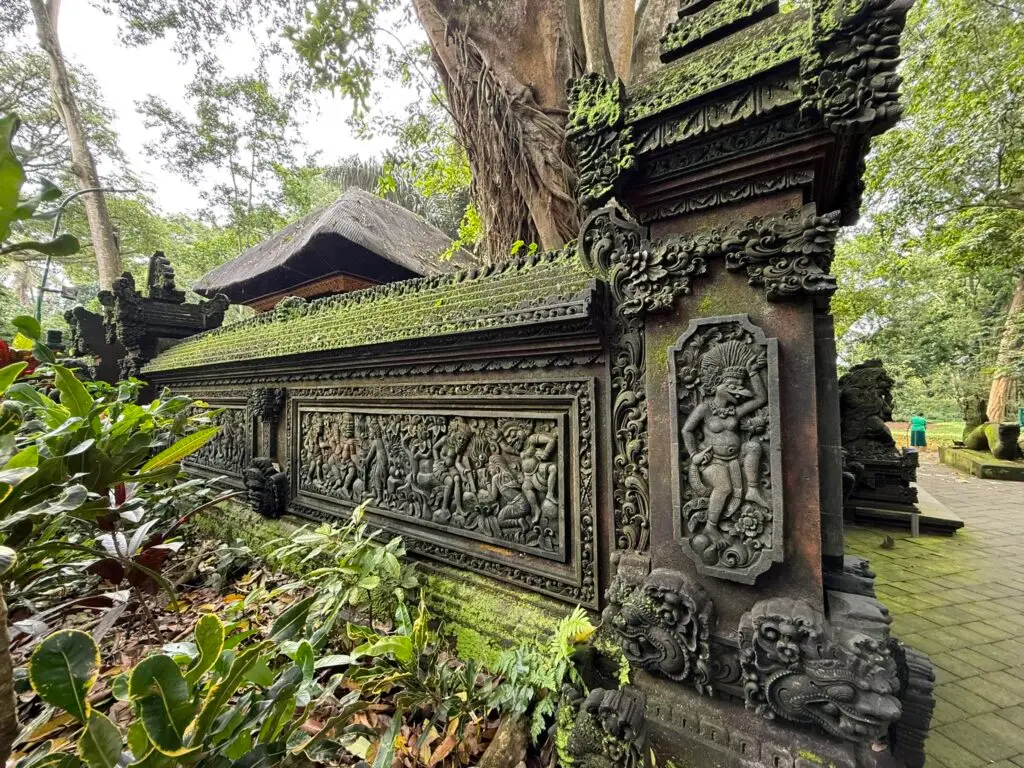
The other main visit in Ubud is the Monkey Forest
Ubud Monkey Forest
Ubud Monkey Forest
Ubud monkey Forest
Ubud Monkey Forest
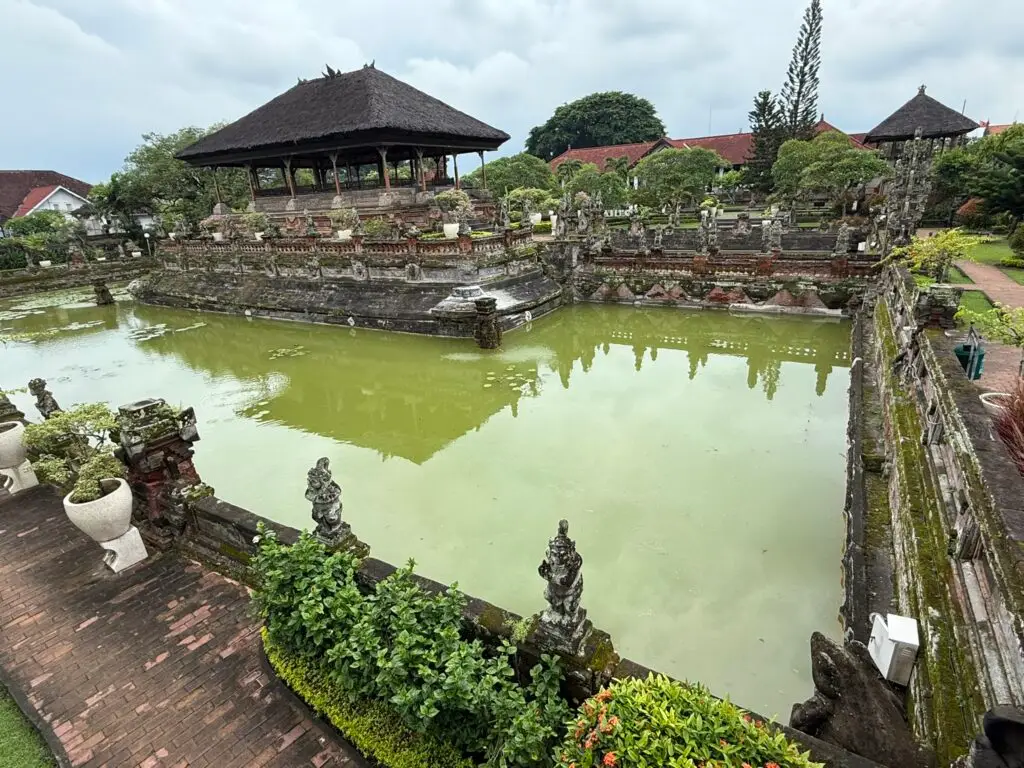
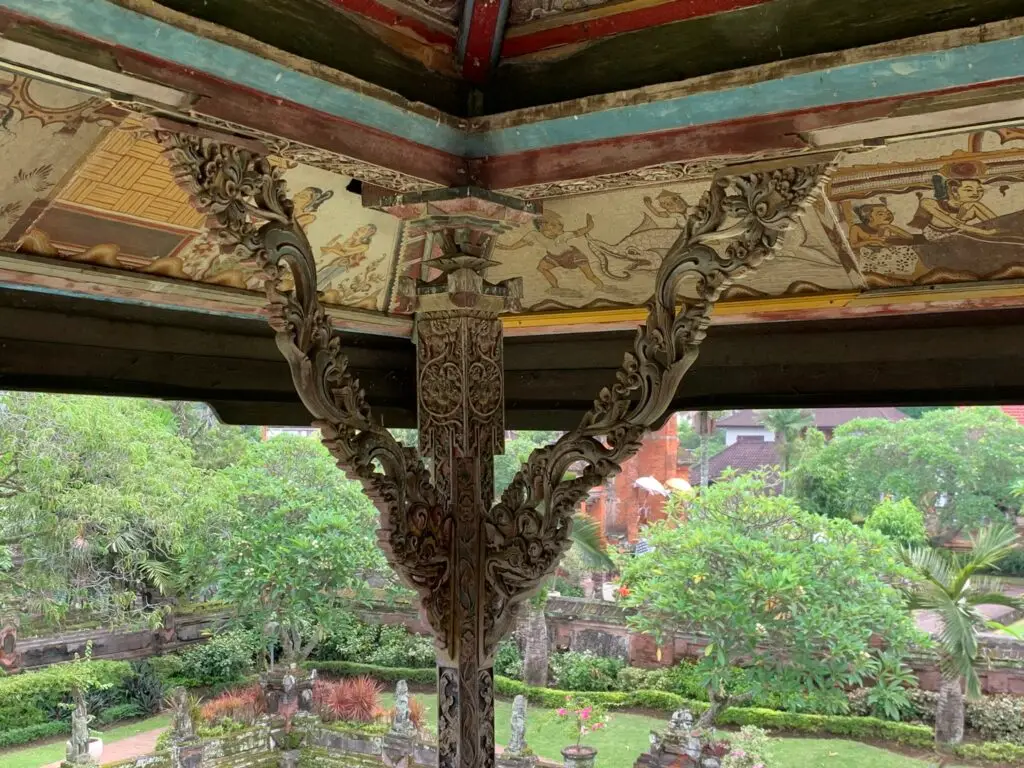
We visited Kerta Gosa, the historic court of Justice at Klungkung palace. The Kerta Gosa pavilion, seen here was built in 17th century. The pavilion was effectively the Klungkung kingdoms supreme court where disputes and cases that could not be settled at village level were eventually brought.
The court was equipped with one table and six chairs. The king (or raja), chief of the court of justice, sat in a chair bearing the symbols of a lion. The priest (Kerthas), as lawyer and adviser of the King, had the chair with the symbols of a cow. A third chair, bearing the symbols of a dragon, was for the secretary. The people who came here to receive judgment sat cross-legged on the floor. During the Dutch occupation, the Dutch Controler – officer controlling the region – would also be present for particular trials.
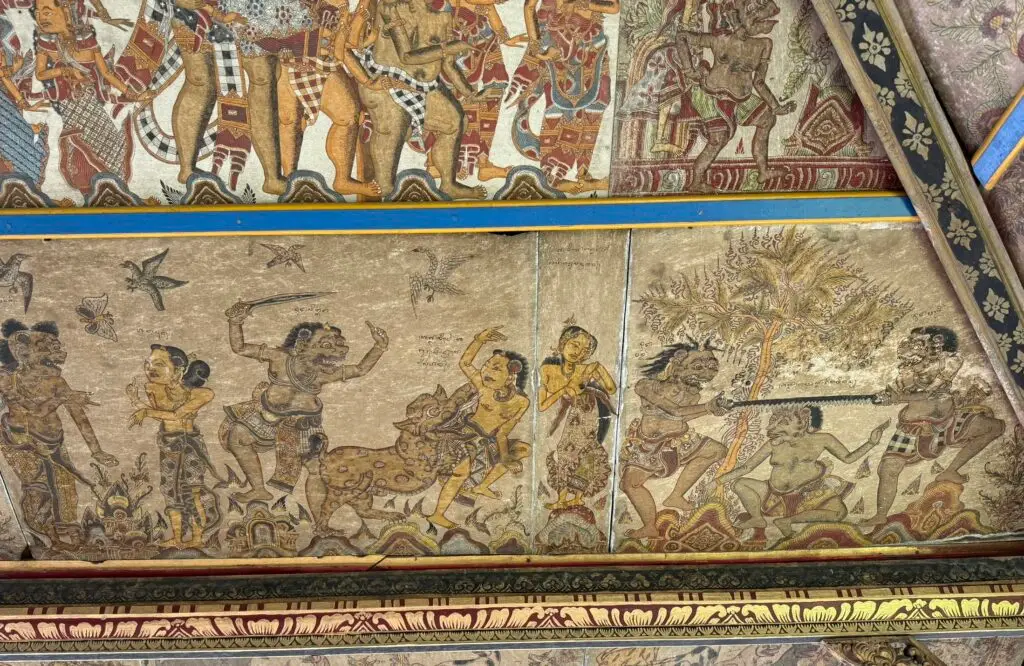
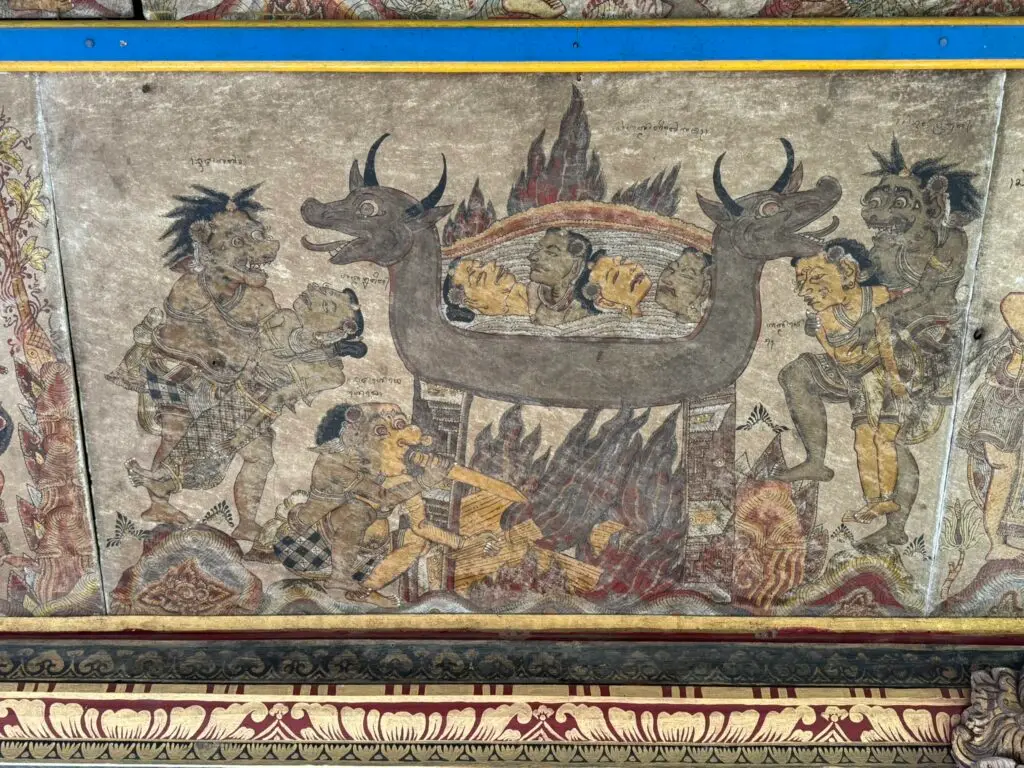
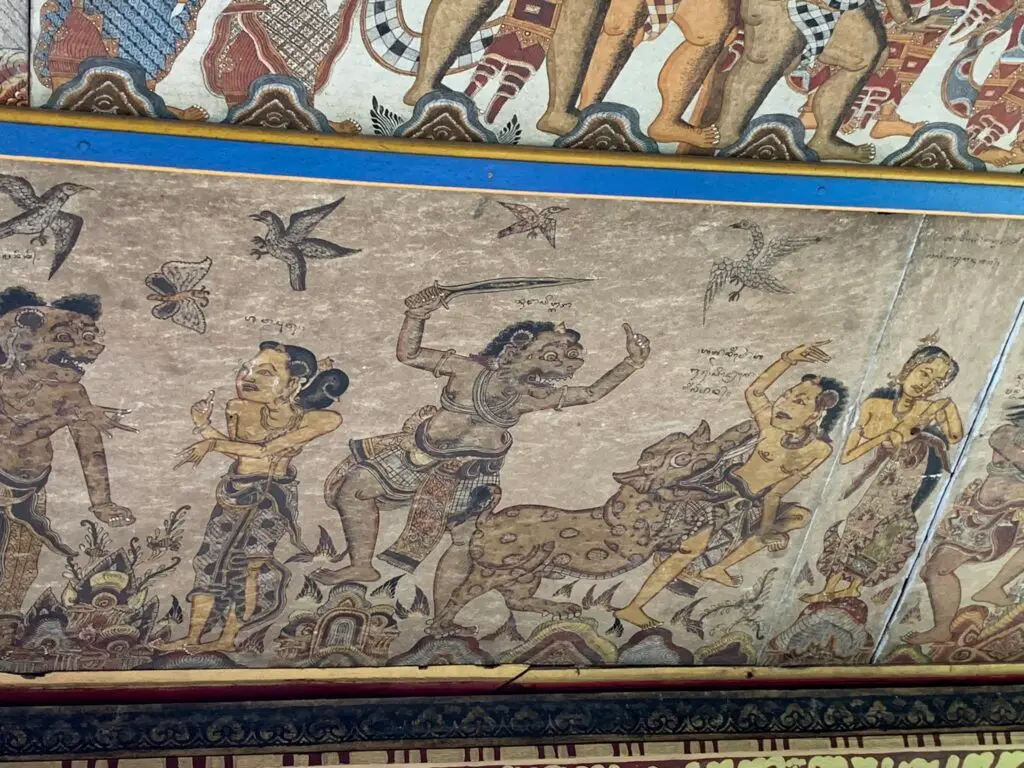
The paintings on the roof of the pavilion represent a moral epic depicting wisdom and perseverance, and the ultimate victory of virtue over vice.
The lower panels represent various punishments. This one, for example depicts what happens to you if you are lazy (you get your head sawn open!).
This one depicts the punishment for adultery (you get boiled in a pot!).
Kerta Gosa
Kerta Gosa
Kerta Gosa
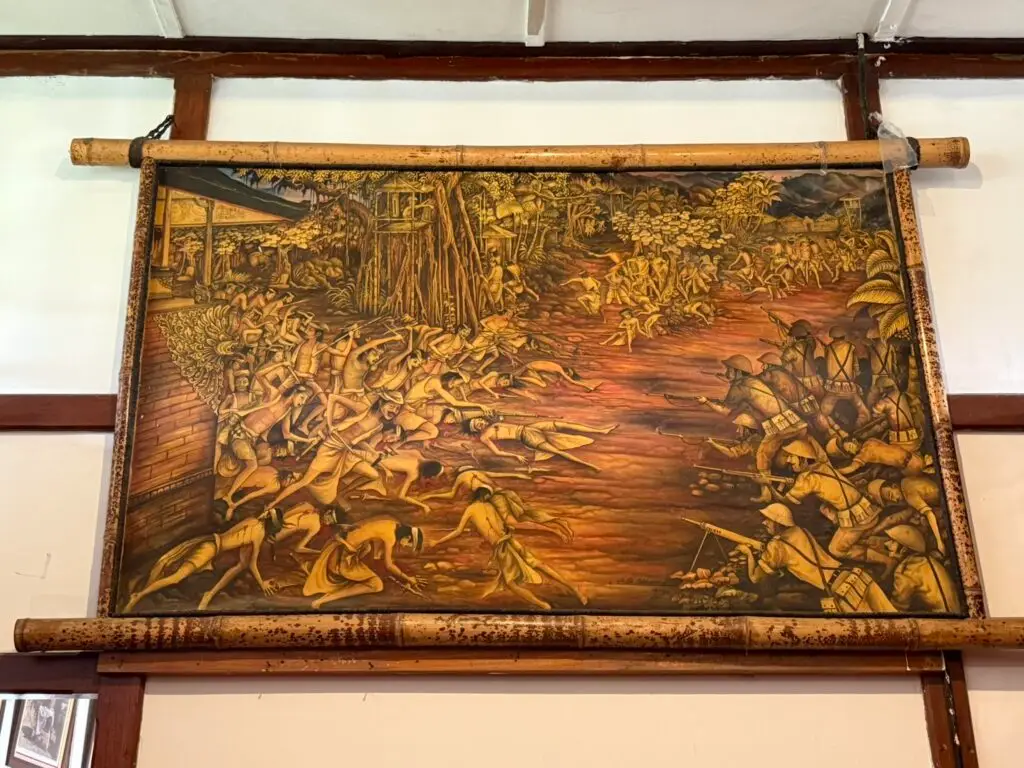
This painting is in the museum and pictures the Dutch conquest of the kingdom of Klungkung on April 28 1908 (machine guns against spears).
Klungkung was the last independent native realm of Bali following the first punitive Dutch expedition in northern Bali in 1846, and the natives chose to commit puputan (mass ritual suicide) rather than surrender. The five year old crown prince was also one of the victims.
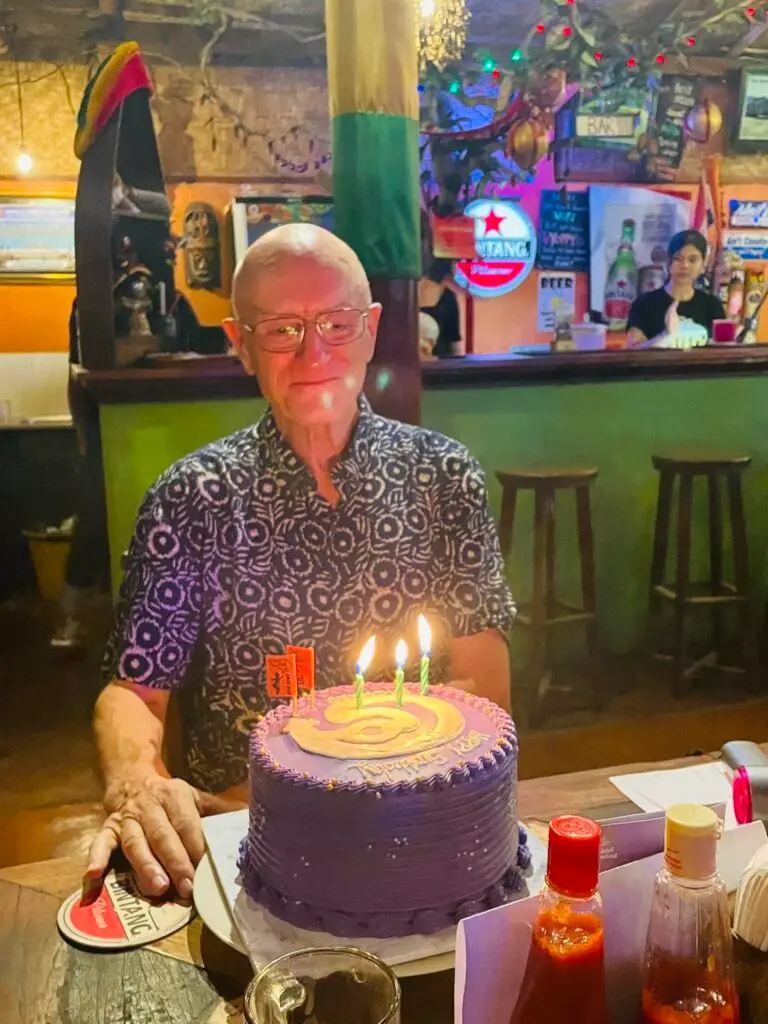
Our last stop in Bali was at Candi Dasa. It also happened to be my 70th birthday, and Gadventures did a cake for me.
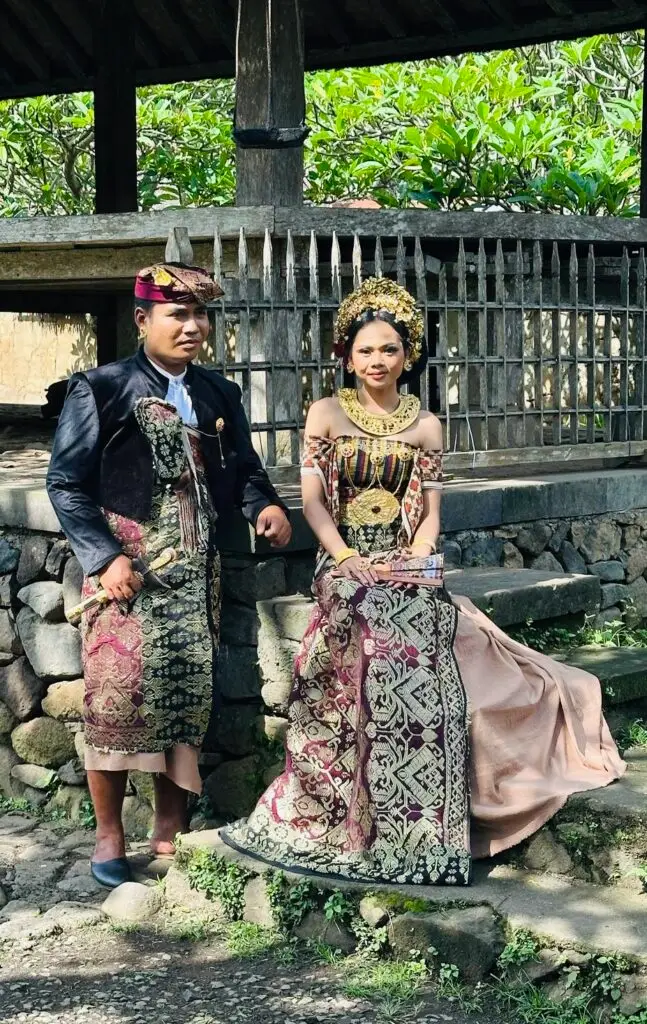
We made a visit to Tenganan village. This is a rice farming village which also does handicrafts to sell to tourists. While we were there this couple were posing for photos in traditional wedding ceremony dress.
I purchased the bamboo engraving in this picture
Tenganan Village
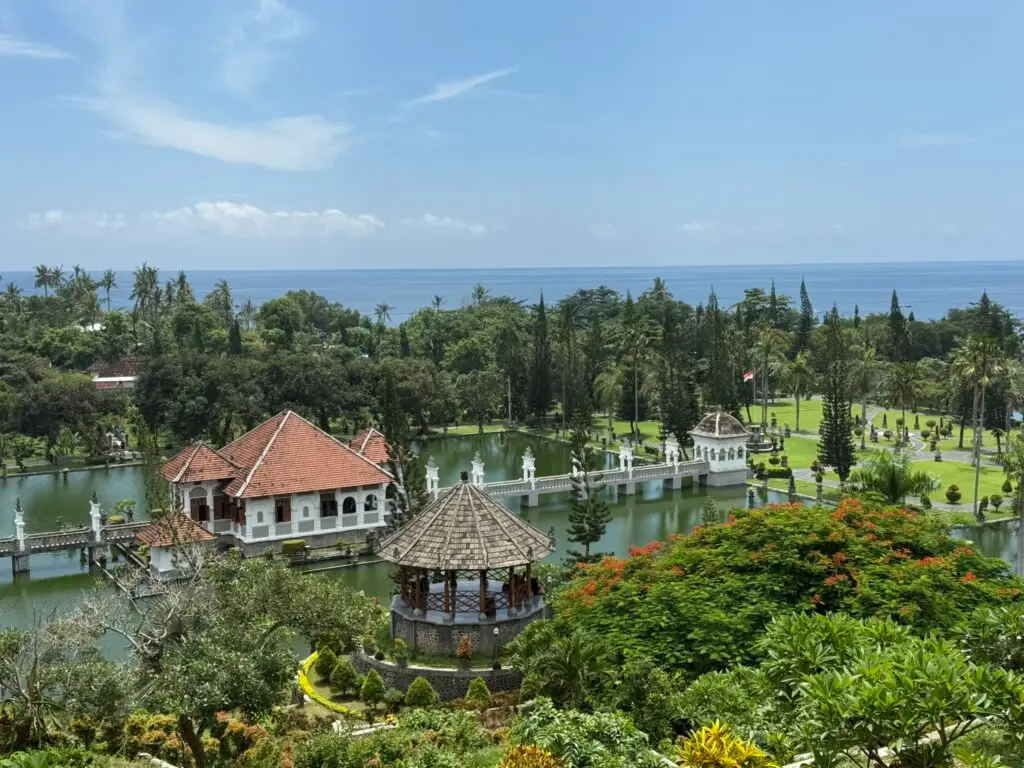
We visited Taman Ujung water palace. A former royal palace, it was built in 1919 by the King of Karangasem, I Gusti Bagus Jelantik, who wanted a beautiful place for his family to relax and entertain guests, combining Balinese, Chinese, and Dutch architectural influences.
Taman Ujung water palace
We also visited Tirta Gangga – built in 1946 by the same king who built Taman Ujung – again as a recreation place for the king and his family and is a complex of bathing pools. It is 7km further north than Taman Ujung and thus higher and much nearer Mount Agung – so in the 1963 eruption whereas Taman Ujung was only damaged, Tirta Gangga was almost entirely destroyed.
Lombok
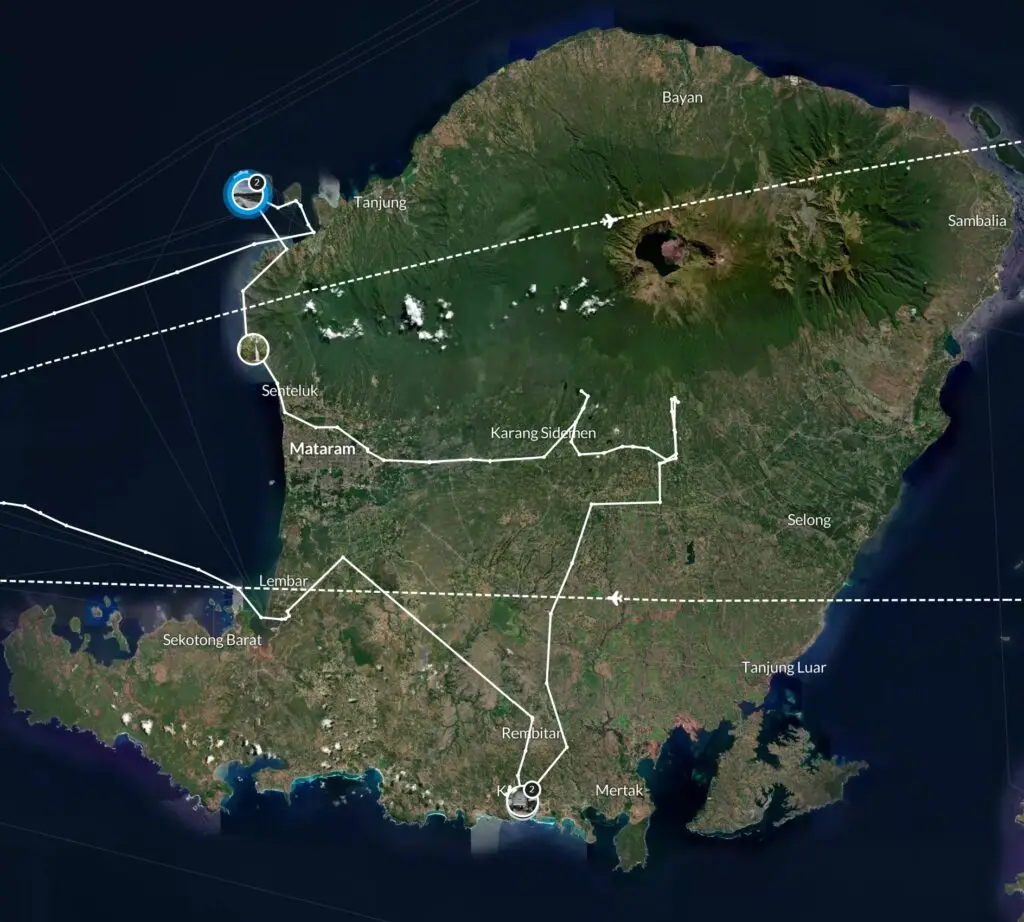
Our Guide described Lombok as shaped like the ghost ‘Casper’ – with its tail to the left and the 3726m Gunung Rinjani volcano as its eye.
We crossed the Lombok strait from Bali to Lombok by car ferry. During the journey, which lasted several hours, we crossed over the “Wallace Line”, which is a faunal boundary line drawn in 1859 by the British naturalist Alfred Russel Wallace.
To the west of the line are found organisms related to Asiatic species; to the east, a mixture of species of Asian and Australian origins is present. Wallace noticed this clear division in both land mammals and birds during his travels through the East Indies in the 19th century.
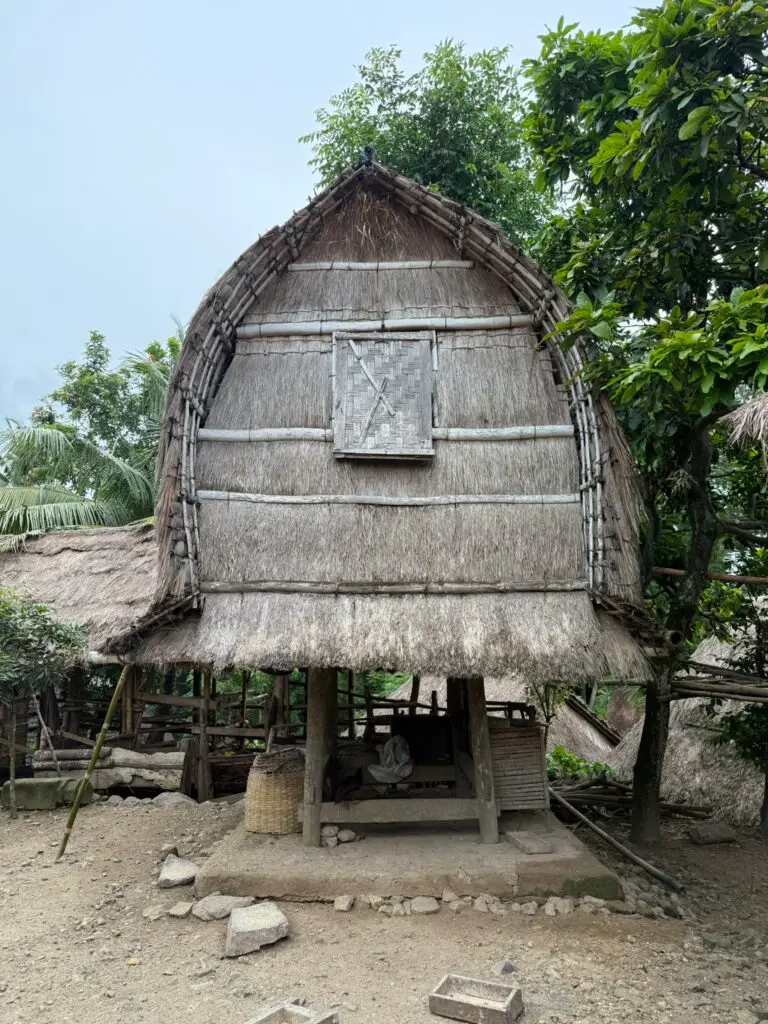
Our first stop in Lombok was Kuta – confusingly there is also a more well known Kuta in Bali but this was Kuta in Lombok. On the way, we visited a traditional Sasak village (Sasak is the indigenous culture and has its own dialect spoken as a first language by village people). These villages have a tradition of the man going out and kidnapping his wife when he wants to marry (I did not find out what happens if she is unwilling).
This traditional way of life is disappearing today because the young people tend to leave the village for life in the town.
Just by chance, at the time we were at Kuta, the entire town was taken over by the ‘festival of the sea worm’. These are multi-coloured worms that appear out of the sea at a certain point on the coastline at a certain specific time once every year. This has given rise to the legend of a princess in former times who sacrificed herself by throwing herself into the sea in order to stop a duel between suitors who were competing for her hand in marriage. The legend says that she transformed into these sea worms which come up on the beach today every year.
Today this is celebrated with a huge festival where villages from all over Lombok send their ‘princesses’ who parade along the beach promenade.
I went looking for some sea worms but was unsuccessful. Apparently you must search at night time at the right point on the coast at the right tide time.
Lombok festival of the sea worm
We travelled up into the hills to the village of Telebatu where we were hosted by Ron and his family who did a nice lunch for us and gave us a tour of the village.
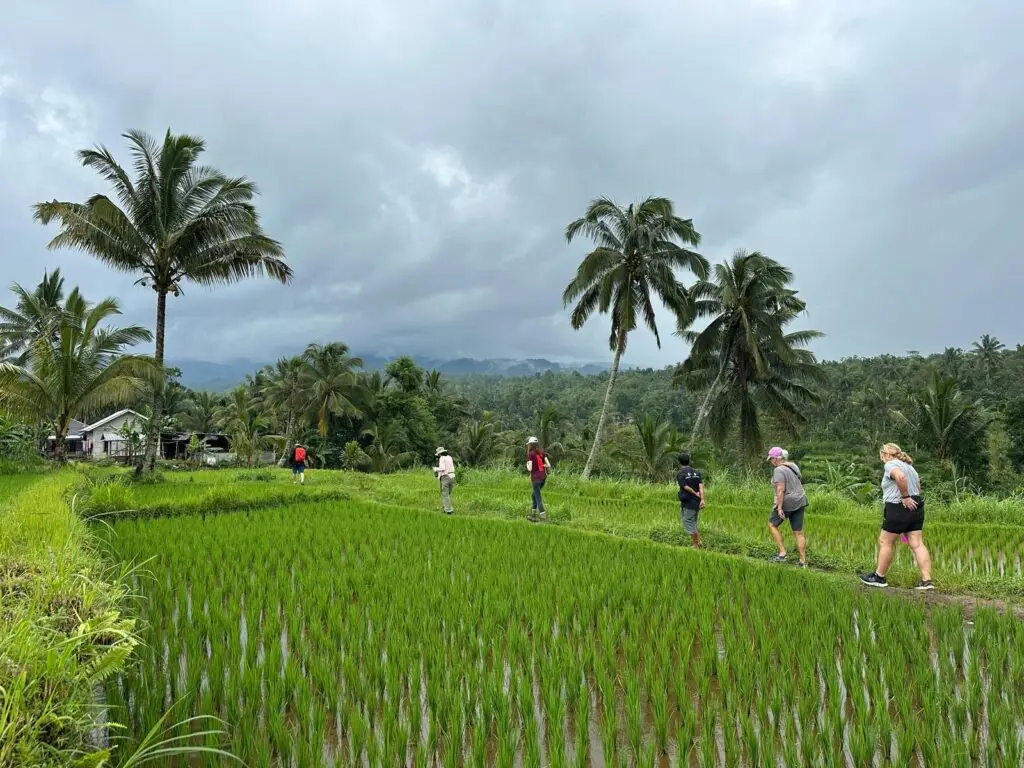
The area renown for its rice field and mountain scenery and here Ron is explaining to us about the local plant cultivation.
He told me that many of the men in the village leave for Malaysia to work in the palm oil plantations. It is dangerous work using machetes and there are injuries and even occasional deaths involved.
Telebatu village
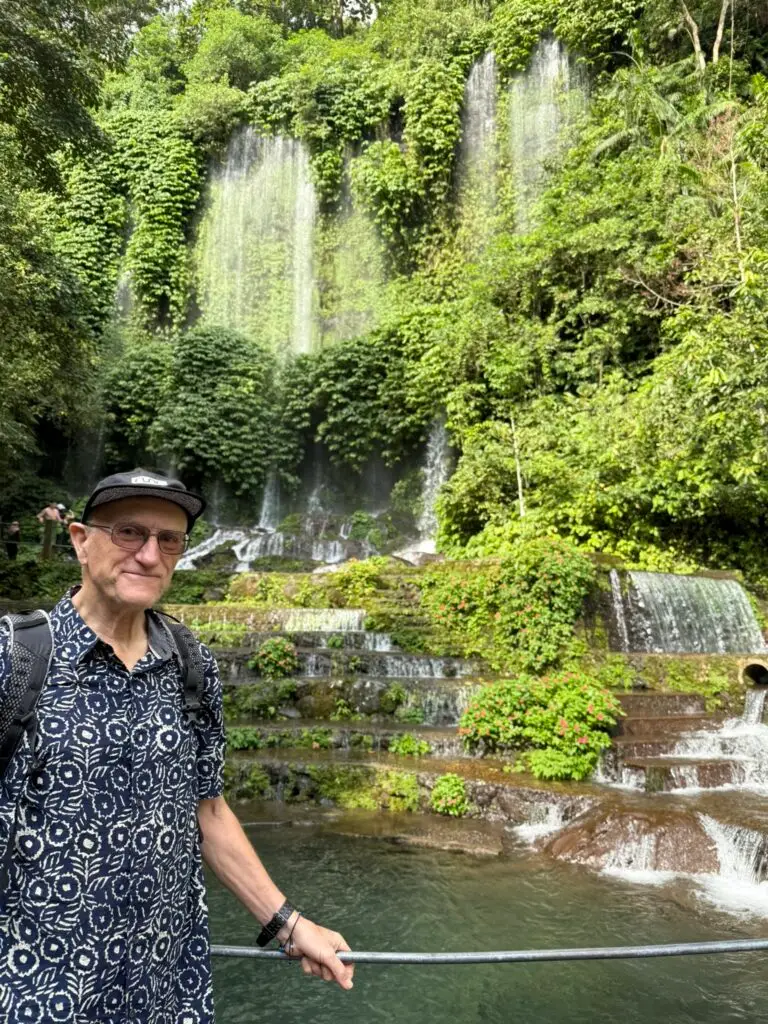
We stopped for a swim at Benang Klampu Waterfall on our way to Senggigi
Senggigi is the embarkation point for getting to Gili Trawangan, or ‘Gili T’, in the Gili islands which is a short journey away by speedboat. There are three Gili islands of which Gili T is the biggest. There are no motor vehicles allowed on the island and hotel transportation is done by horse buggy. You can hire a bicycle and cycle around the island (7km) in an hour or so.
The lifestyle is very laid back and Gili T has a reputation for magic mushroom cultivation.
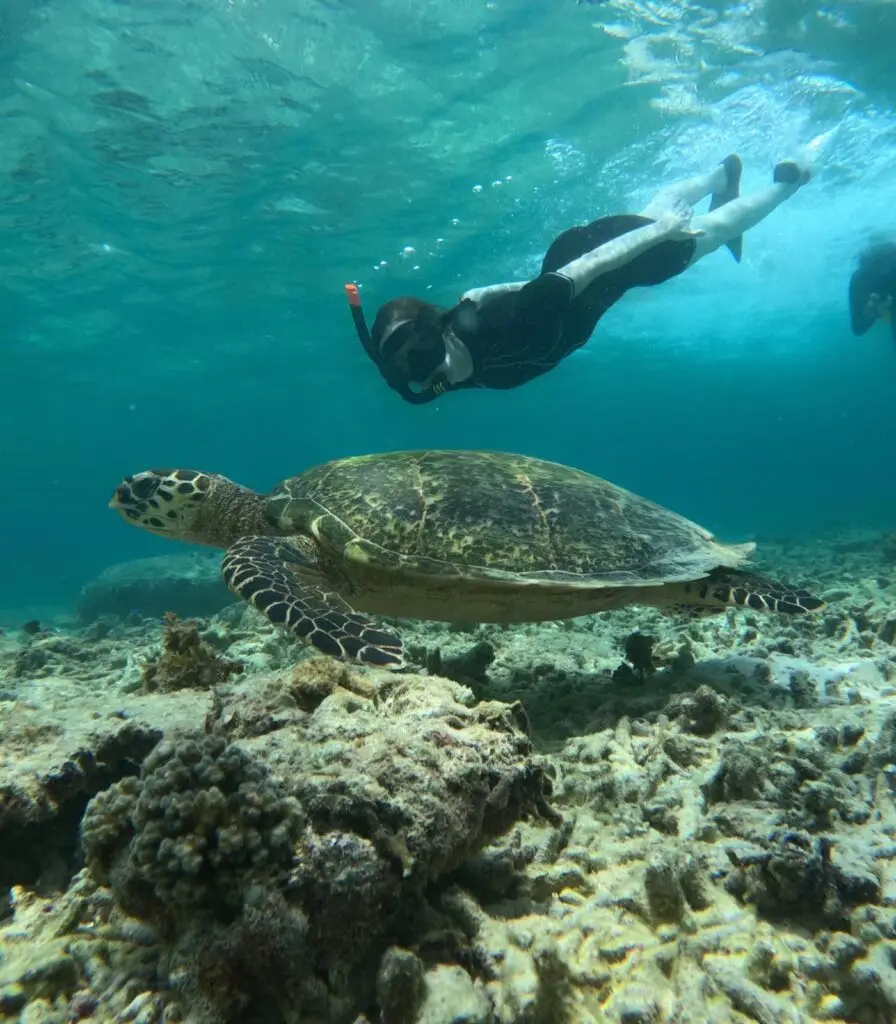
The activity that everyone does at Gili is snorkelling in the clear blue sea. We went out in the boat and saw shoals of tropical fish in the coral reef plus one or two turtles.
We went to neighbouring Gili meno for lunch after snorkelling
There is a turtle farm on Gili Meno. Every species of turtle is endangered and the hawksbill turtle is critically endangered. This turtle farm is run entirely on voluntary labour and donations of money.
The Gilis have no natural water, so all drinking water is brought in from the mainland. There is, however, no shortage of coconuts.
Komodo
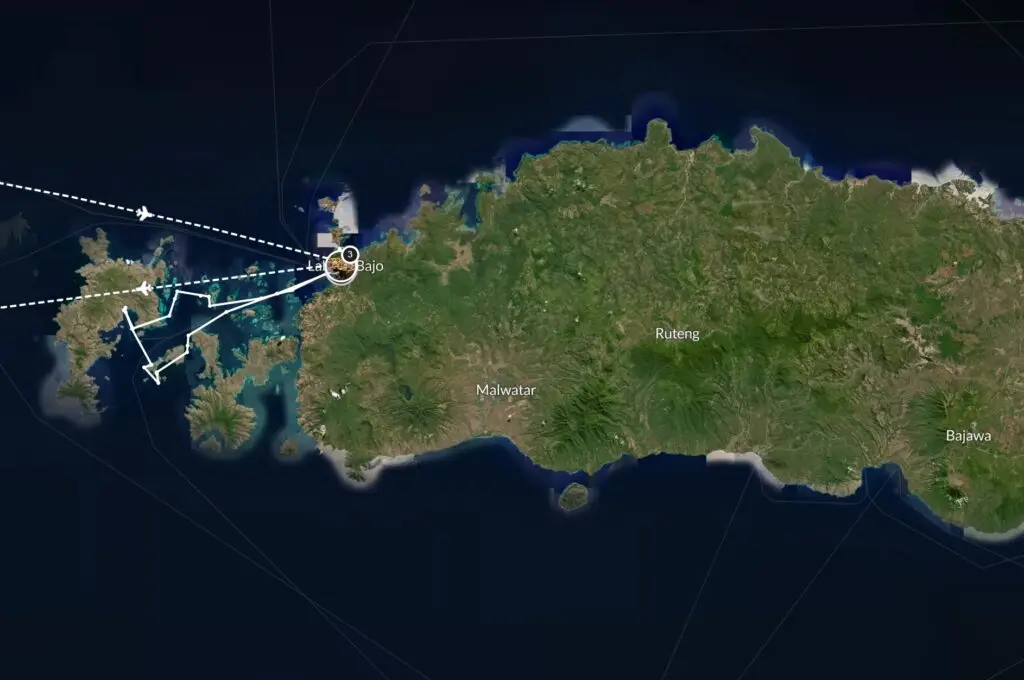
The last part of our trip was a flight to Labuan Bajo, where we stayed for 3 nights, in order to visit Komodo Island.
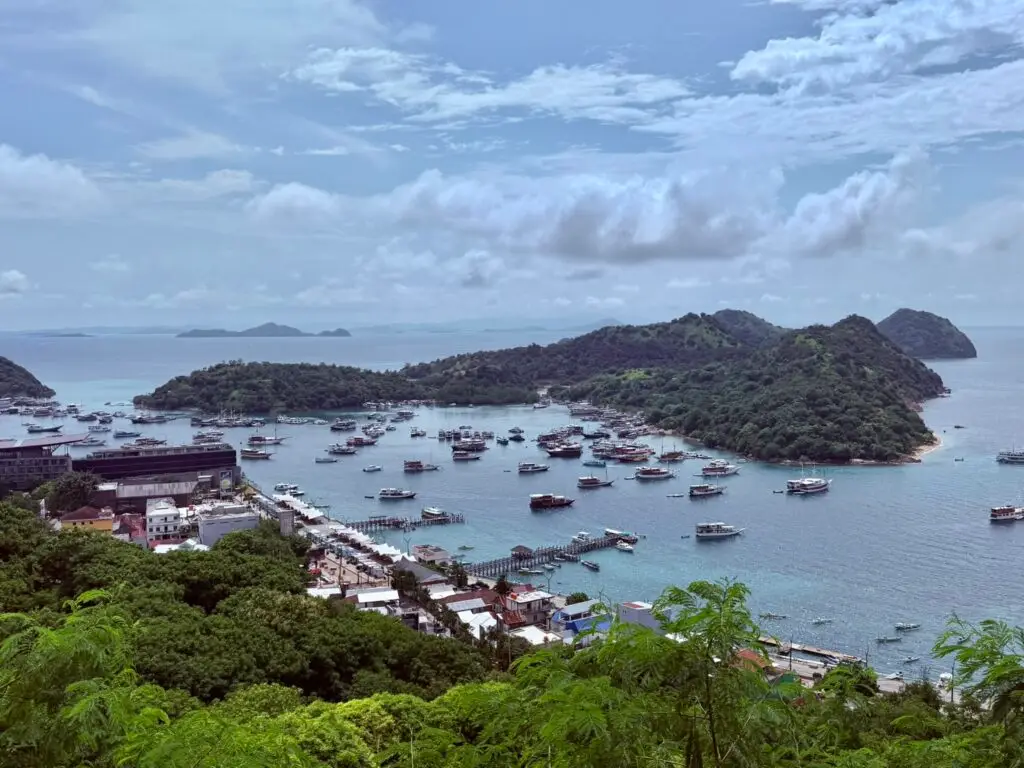
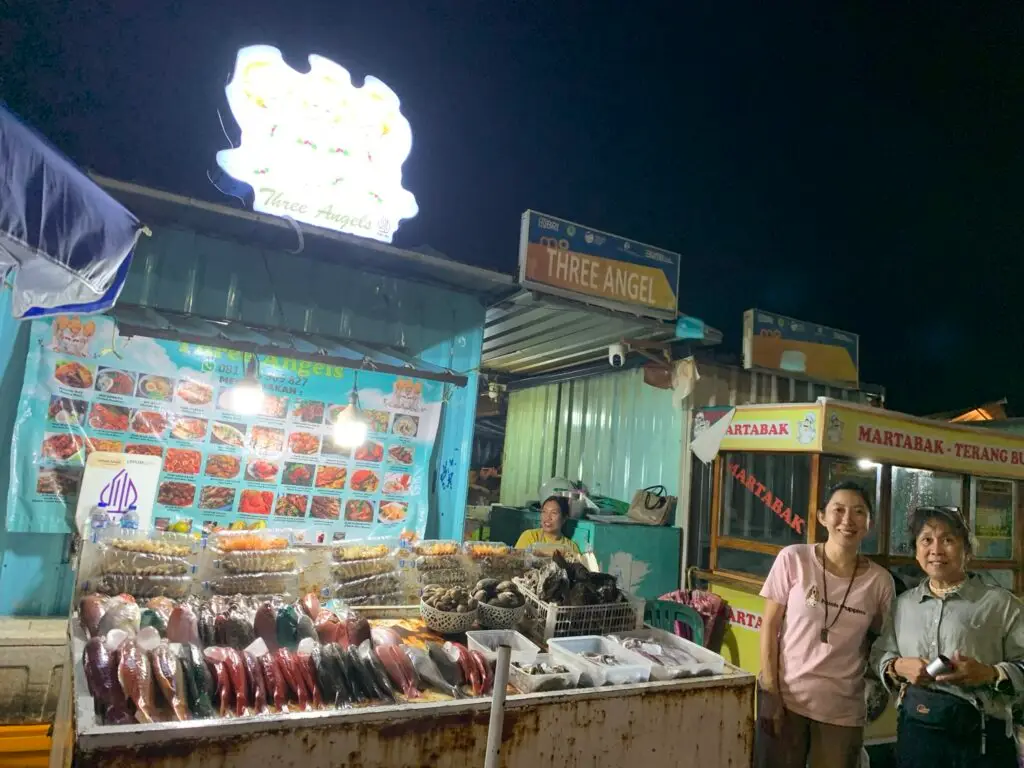
This is a view of Labuan Bajo from a hill we walked up on the first day. The stalls along the sea front are where the night fish market happens, you can choose your fish from the days catch and they will cook it for you to eat whilst sitting by the harbour.
Labuan Bajo night fish market
The standard day tour of Komodo that everyone does from Labuan Bajo involves several stops for swimming and snorkelling and hiking among the various islands as well as visiting Komodo Island.
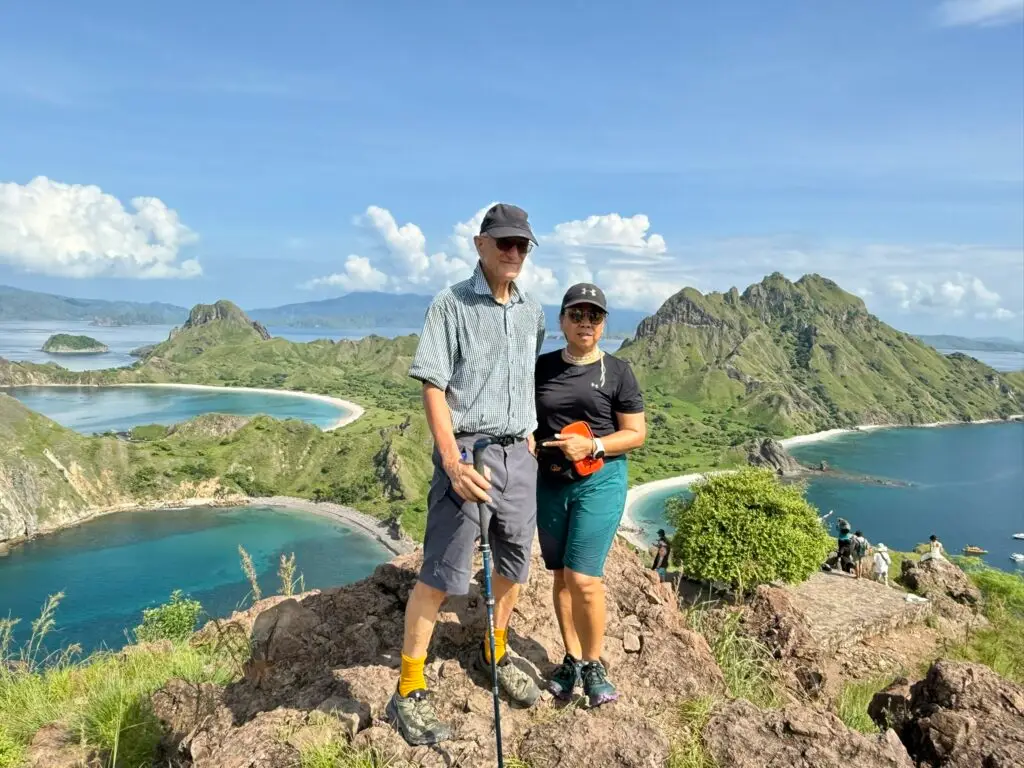
During the day we snorkelled with Manta rays, more turtles, and got stung by jelly fish. The first stop though was Pulau Padar (Pulau means ‘island’). You climb up 800 steps to this view point which is probably one of the most instagrammable spots in the world.
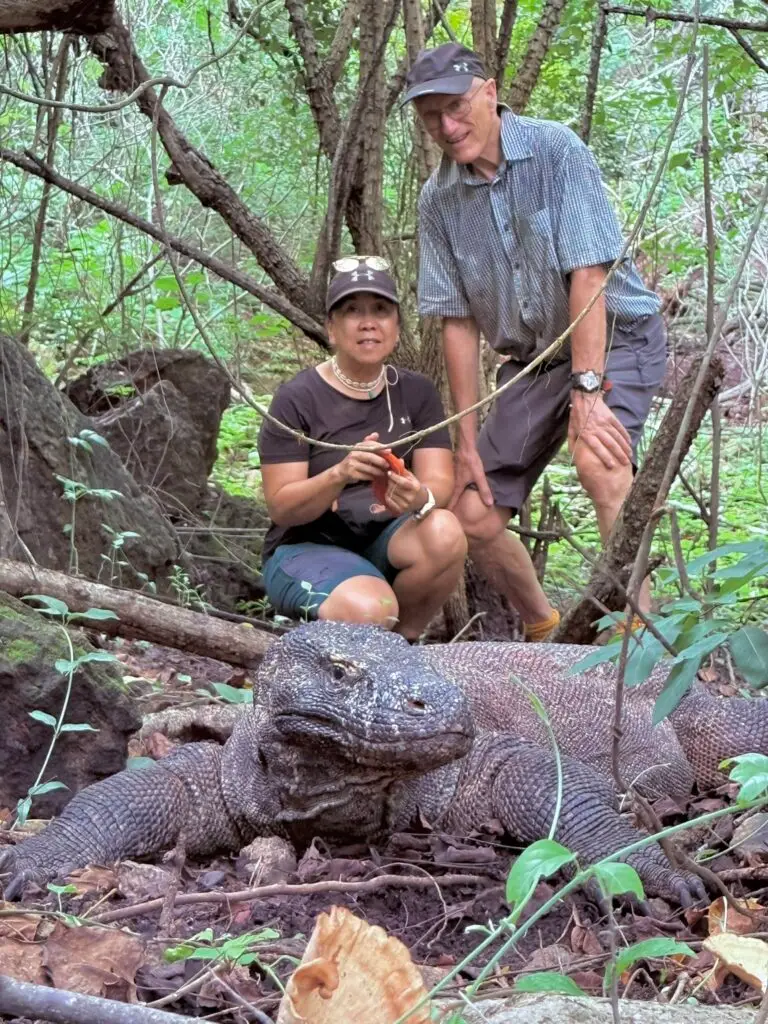
The Komodo national park is the highlight of the day. There are about 1,700 Komodo dragons on the island. They grow up to 2 metres in length at adult size and can run at 20kph. Their bite contains 30 different kinds of poisonous bacteria and tourist have been killed. They also eat their own young.
You are not allowed to wander around on your own and you must go in a Ranger escorted group. The Ranger carries a long forked stick to parry any attacks.
This one was a big adult size male. Perfectly camouflaged in the undergrowth, he was just waiting for a deer to come by for his lunch.